
Quick answer: Brand management is the ongoing work of shaping and protecting how your brand is perceived, through consistent identity, messaging, and experience. Done well, it builds recognition and loyalty over time. This covers the fundamentals.
Establishing a strong, positive image in the minds of consumers through strategic brand creation, development, and maintenance is known as brand management. This includes a brand’s name, logo, design, and overall look and feel. The goal is to create a unique and memorable brand that customers recognize and trust.
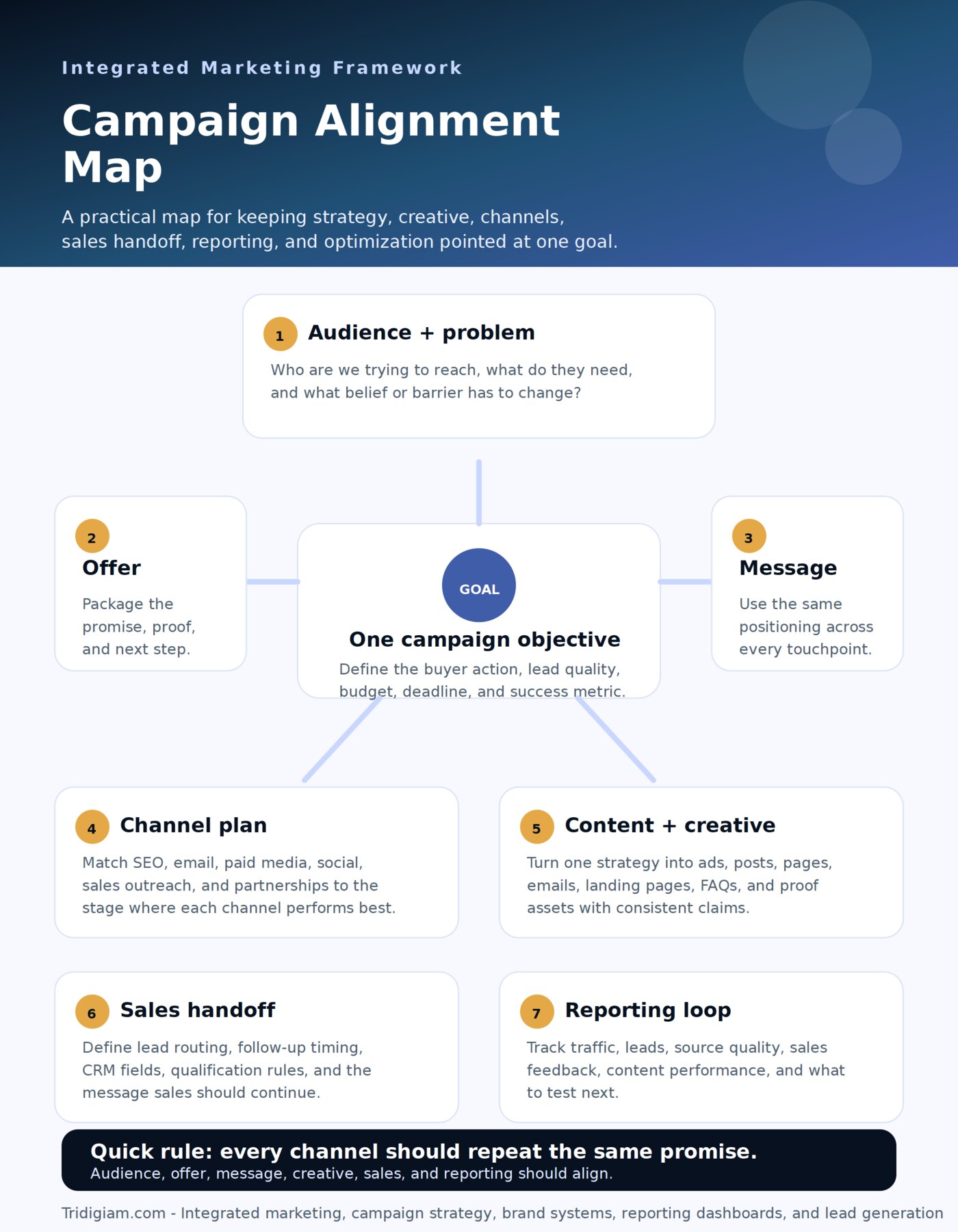
Key Takeaways
- Brand management involves creating, maintaining, and enhancing a brand’s image and reputation to attract and retain customers.
- Branding plays a crucial role in marketing and advertising by differentiating a product or service from its competitors and creating a strong emotional connection with consumers.
- Developing a strategic marketing plan for brand management involves identifying target audiences, setting clear objectives, and implementing effective communication strategies.
- Creating a unique brand identity and positioning involves defining the brand’s personality, values, and promise to consumers, and positioning it in the market to stand out.
- Building and managing brand equity is essential for long-term success, as it represents the value and strength of a brand in the eyes of consumers and the market.
Mastering Brand Management for Long-Term Success
Effective brand management requires a deep understanding of the market, target audience, and competitive environment. Brand managers must craft strategies that clearly convey the brand’s values, benefits, and personality. By analyzing consumer behavior, market trends, and competitor dynamics, businesses can create a brand strategy that resonates with their target market and sets them apart from competitors.
The Role of Market Research and Competitor Analysis
A strong brand strategy starts with detailed market research and competitor analysis. Understanding customer needs, preferences, and behaviors helps shape the brand’s positioning. Evaluating competitors’ strengths and weaknesses is also critical for identifying areas where your brand can stand out. This knowledge allows businesses to craft a brand message that connects with their audience and distinguishes them in the marketplace.
Consistency in Brand Messaging and Identity
Brand management also involves maintaining consistency across all customer touchpoints. From messaging to visual identity, every aspect of the brand should deliver a cohesive experience. This ensures that consumers have a uniform perception of the brand, whether they encounter it through advertising, social media, packaging, or in-store.
The Power of Branding in Marketing
Branding creates a distinctive identity for products and services that appeals to the target audience. Effective branding requires a strategy that clearly communicates the brand’s values and benefits to consumers. In advertising, this means creating campaigns that highlight the brand’s unique positioning and encourage consumers to take action. The goal is to build a brand that stands out and inspires loyalty.
Building a Strong Brand Strategy
Developing a strong brand strategy involves several key steps, including:
- Market Research: Understanding the target audience and their needs.
- Goal Setting: Establishing clear objectives for brand growth.
- Defining Brand Positioning: Clarifying the brand’s unique selling proposition (USP).
- Creating a Visual Identity: Developing logos, color schemes, and design elements that reflect the brand’s essence.
- Setting KPIs: Measuring brand performance through metrics like awareness, loyalty, and market share.
A solid budget should also support this strategy, covering marketing activities such as events, promotions, and advertising. Additionally, setting timelines and benchmarks ensures that the brand’s presence remains consistent and relevant.
Developing a Distinctive Brand Identity and Positioning
A brand’s identity is what sets it apart from the competition. It includes the brand’s mission, vision, values, and unique selling proposition (USP). Once these elements are established, businesses must create a positioning strategy that effectively communicates the brand’s value to the target audience.
Visual identity is a key part of this process. Logos, color schemes, typography, and design elements must consistently represent the brand across all platforms. From packaging to digital channels, every touchpoint should reflect the same visual identity, reinforcing brand recognition.
Crafting a Compelling Brand Story
A powerful brand story helps connect consumers with the brand on an emotional level. It should communicate the company’s history, mission, and core values in a way that resonates with the target audience. By building a meaningful narrative, businesses can deepen customer loyalty and create a lasting brand image.
Building and Managing Brand Equity
Brand equity refers to the value a brand holds in the minds of consumers. Managing brand equity involves creating a strong brand image that reflects the brand’s personality, values, and benefits. It also requires delivering consistent quality and positive customer experiences. Regularly monitoring market trends, consumer perceptions, and competitors helps ensure the brand remains relevant and competitive.
Maintaining Customer Loyalty and Trust
Building strong customer relationships is essential for maintaining brand equity. Loyalty programs, excellent customer service, and ongoing engagement initiatives all help foster brand trust and loyalty. Understanding how customers perceive the brand through regular market research allows businesses to identify opportunities for improvement and adjust their strategies accordingly.
Evaluating Brand Performance
To assess brand performance, businesses must evaluate how well marketing initiatives contribute to brand awareness and recognition. Tracking key metrics like reach, engagement, conversion rates, and return on investment (ROI) provides insight into the success of branding efforts. Customer feedback, obtained through surveys or focus groups, is also invaluable for understanding how the brand is perceived and identifying areas for improvement.
Adapting to Market Changes and Consumer Preferences
Brand management is an ongoing process that requires adaptation. As consumer behavior evolves and new technologies emerge, brands must adjust their strategies to remain relevant. For instance, the rise of digital platforms and social media has created new opportunities for personalized and targeted marketing. Additionally, consumers are increasingly drawn to ethical and sustainable brands, meaning businesses must align their strategies with these values to build trust and loyalty.
The Role of Technology in Brand Management
Advances in artificial intelligence and data analytics are also shaping the future of brand management. These technologies enable brands to better understand consumer behavior and personalize marketing campaigns. By leveraging data-driven insights, brands can create more relevant and impactful strategies that engage their target audience.
Conclusion
Effective brand management is essential for building and maintaining a strong brand that resonates with consumers. It requires a deep understanding of market dynamics, consumer behavior, and competitive landscapes. Consistency in messaging and visual identity helps build brand equity, while regular evaluation and adaptation ensure that the brand stays relevant in a changing marketplace. By investing in customer relationships and leveraging new technologies, businesses can create lasting connections and drive long-term growth.
If you’re looking to boost your brand’s visibility, check out our article on “The Power of Hashtags: Boosting Your Brand’s Visibility on Social Media.” It offers valuable tips on how to effectively use hashtags to increase your brand’s presence on popular social media platforms.
FAQS on Brand Management in Marketing
What is brand management in marketing?
Brand management in marketing refers to the process of maintaining, improving, and upholding a brand’s image and reputation in the market. It involves creating a strong brand identity, developing brand strategies, and ensuring consistent brand messaging across all marketing channels.
Why is brand management important in marketing?
Brand management is important in marketing because it helps to differentiate a brand from its competitors, build brand loyalty, and create a strong brand presence in the market. It also helps to maintain a positive brand image and reputation, which can ultimately lead to increased sales and customer retention.
What are the key components of brand management?
The key components of brand management include brand identity, brand positioning, brand messaging, brand equity, and brand consistency. These components work together to create a strong and recognizable brand that resonates with the target audience.
How does brand management impact a company’s bottom line?
Effective brand management can positively impact a company’s bottom line by increasing brand awareness, customer loyalty, and perceived brand value. This can lead to higher sales, market share, and profitability for the company.
What are some best practices for brand management in marketing?
Some best practices for brand management in marketing include conducting market research to understand the target audience, creating a strong brand identity and positioning, maintaining brand consistency across all touchpoints, and continuously monitoring and adapting brand strategies based on market trends and consumer feedback.
Related service: Learn more about Tridigiam’s strategic marketing services.
Need marketing that actually moves the needle?
Tridigiam is a Las Vegas marketing and advertising agency built for regulated and growth-focused businesses. Call (702) 748-7005 or request a consultation.
Frequently asked questions
What’s the difference between brand management and brand marketing?
Brand marketing focuses on promoting the brand through specific campaigns, while brand management is the broader, ongoing discipline of maintaining consistency and protecting brand perception across every touchpoint, including ones marketing doesn’t directly control.
Who owns brand management inside a company?
It’s typically owned by marketing leadership, but effective brand management usually requires buy-in across sales, customer service, and product, since inconsistency in any of those areas can undercut the brand experience.
What’s a sign that brand management is being neglected?
Inconsistent messaging, tone, or visual identity across different channels or teams is usually the clearest sign, since it suggests no one is actively maintaining a unified brand standard.
Want more like this? Browse our free CRO, SEO, and AI search guides.

Written and reviewed by Chris Goodman, CEO of Tridigiam
Founder of a Las Vegas marketing agency building AI-visibility and compliance-aware marketing systems for regulated industries — healthcare, addiction treatment, and aesthetics. LinkedIn

Explore knowledge from Chris Goodman, a marketing expert with extensive agency and small business experience, specializing in innovative advertising strategies. Chris has a Bachelor’s in Marketing from RMIT, years working in advertising agencies servicing clients, and years of experience working with small to medium sized businesses operating within regulated industries.