
Branding Kit & Logo
Get A Free ConsultationWhat is a Branding Kit?
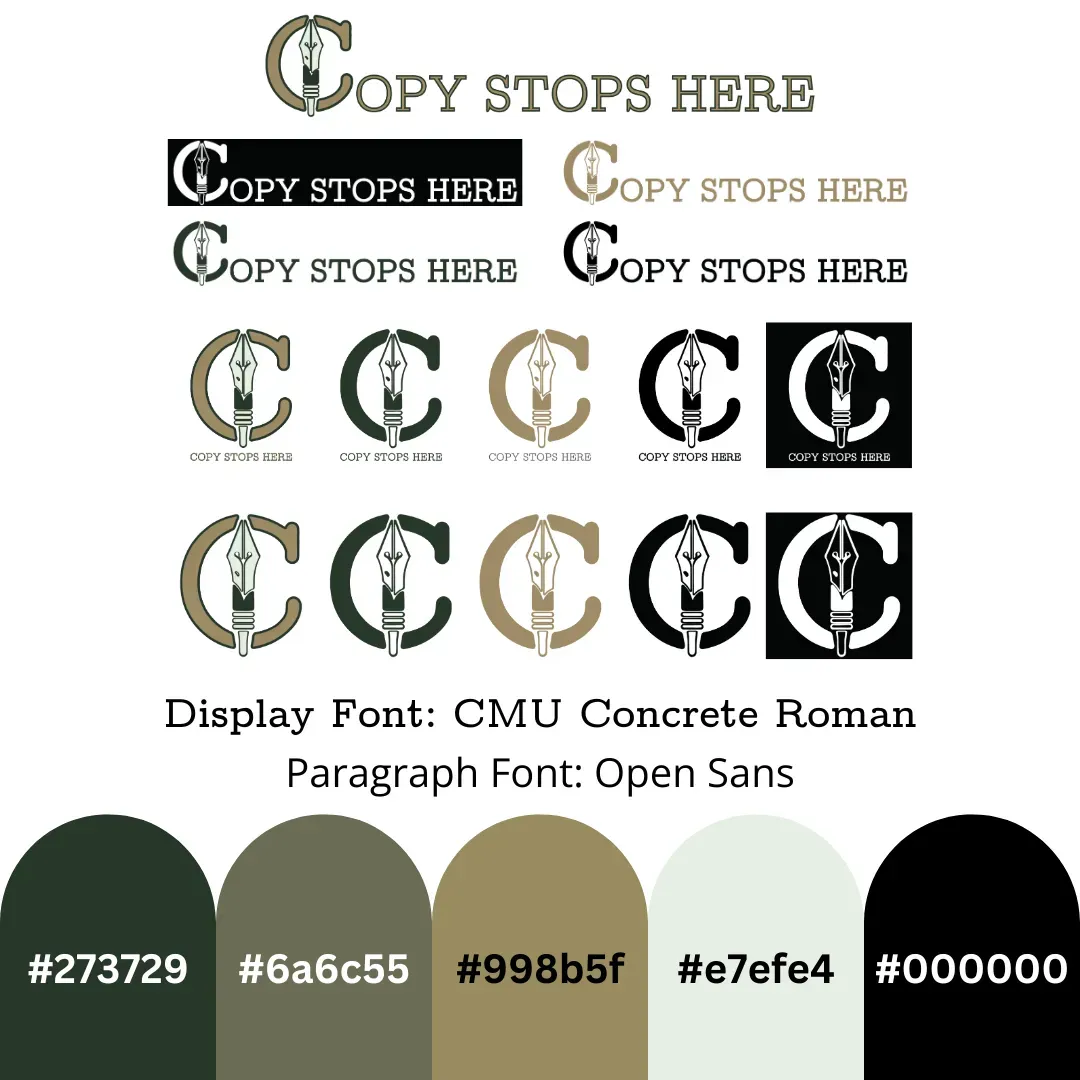
A branding kit, often referred to as a brand kit or style guide, is a crucial set of tools and guidelines that define a company's brand identity and ensure consistency across all marketing and communication efforts. This comprehensive kit typically includes the company's logo in various formats and sizes, a color palette that outlines the specific brand colors and their applications, typography guidelines specifying the fonts and styles to be used, and imagery guidelines which might include illustrations, photos, or iconography style. Additionally, a branding kit often contains templates for business cards, letterheads, and other stationery, as well as guidelines for brand voice and messaging to ensure that the tone and personality of the brand are consistently communicated. In essence, a branding kit serves as a blueprint for expressing a company's visual and communicative identity, ensuring uniformity and cohesiveness in its representation to the world.
Do you need a branding kit?
A branding kit is essential for any business seeking to establish and maintain a strong, cohesive brand identity. It serves as a vital tool for ensuring consistency across all forms of communication and marketing materials, which is crucial for building brand recognition and trust among customers. By providing clear guidelines on logo usage, color schemes, typography, and messaging, a branding kit helps businesses present a unified and professional image to the world. This consistency reinforces the brand's message and values, making it more memorable and distinguishable in a crowded marketplace. Moreover, a branding kit streamlines the process of creating new marketing materials, saving time and resources while avoiding potential inconsistencies that could dilute the brand's impact. In today's visually-driven market, a well-defined branding kit is not just an asset but a necessity for businesses aiming to build a strong, lasting relationship with their audience.
Trust extends beyond visual identity into how a brand handles customer data - see our overview of data clean rooms and privacy-safe advertising solutions.
How we build your branding kit
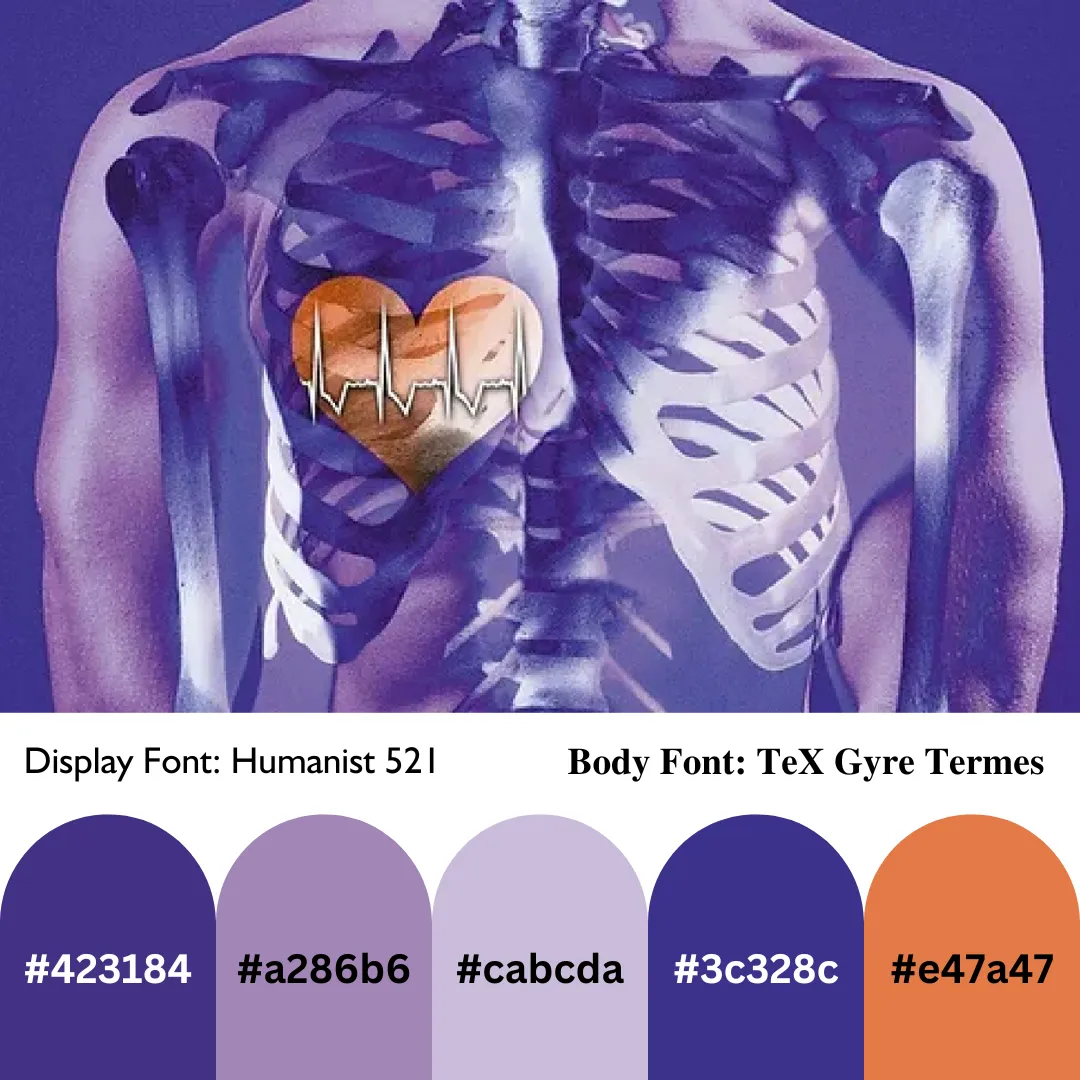
We start with positioning, not colors - who you are actually trying to reach and what you need them to believe about you before we touch a logo file. From there we build out your visual identity: primary and secondary logo marks, an approved color palette with exact hex and Pantone values, typography rules, and usage guidelines so anyone on your team or a future vendor can apply your brand consistently without guessing. You get organized, layered source files, not just flattened exports, so the kit is actually usable years down the line. For regulated-industry clients, we also build the brand system to hold up under compliance review - nothing that implies a claim your license or licensing board would not support.
Why Tridigiam?
Tridigiam is the ideal choice for businesses looking to develop a comprehensive and impactful branding kit. Our expertise lies in blending creative excellence with market insights to craft branding elements that not only resonate with your target audience but also reflect the core values and vision of your business. We understand that a branding kit is more than just a collection of visual elements; it's the embodiment of your brand's identity. Therefore, we meticulously tailor every component, from logo designs and color palettes to typography and brand voice guidelines, ensuring they align cohesively to project a strong, consistent brand image. Our team's deep understanding of various industries, especially regulated sectors, means that your branding kit will not only be aesthetically compelling but also strategically aligned with industry standards, setting you apart in the competitive marketplace. Choose Tridigiam, and experience a partnership that transforms your brand identity into an asset of enduring value.?
Extend your brand system
A branding kit gives your organization the visual foundation. Tridigiam can also turn that foundation into a press-ready media kit or campaign-ready merchandise and swag design for events, launches, communities, and branded sales moments.
Key Terms in Branding and Logo Design
Branding Kit & Logo FAQ
What is a branding kit?
A branding kit is a documented set of visual and verbal assets that define how a brand looks, sounds, and behaves across every customer touchpoint. It includes logo files, color palette, typography, voice and tone guidelines, photography style, and ready-to-use templates.
What is included in a Tridigiam branding kit?
Logo system in all required formats (color, black, white, mark, lockup), color palette with HEX RGB CMYK Pantone values, typography hierarchy, brand voice and tone guide, photography and illustration direction, social media template pack, business stationery, and a brand standards document.
How long does brand identity development take?
Full brand identity projects typically run 6-12 weeks from kickoff to delivery. Smaller logo-and-essentials projects run 3-5 weeks. Multi-brand portfolio rollouts can run 4-6 months.
How much does a branding kit cost?
Logo design alone starts around $1,500-$5,000. Full brand identity systems with kit, guidelines, and asset templates run $7,500-$35,000. Multi-brand portfolio projects scope larger.
Why does my business need a brand identity system instead of just a logo?
A logo alone is one asset. A brand identity system is the rules and assets that keep your business looking consistent across website, ads, social, print, packaging, and signage. Without it, every new touchpoint drifts and the brand looks inconsistent over time.
Does Tridigiam handle brand strategy as well as visual identity?
Yes. Brand strategy comes before logo design. We work with founders and leadership to define brand positioning, audience, values, voice, and competitive differentiation. The visual identity follows from the strategy, not the other way around.
Will I own the rights to my logo and brand assets?
Yes. All brand identity work produced for a client is owned by that client upon final payment. Source files (Illustrator, Photoshop, Figma) and final assets are handed over so you can use and adapt them indefinitely.
Does Tridigiam do brand identity for regulated industries?
Yes. Brand identity for healthcare, addiction treatment, behavioral health, and medical aesthetics has unique considerations including tone (compassionate without being clinical), color (calm versus medical sterile), and visual treatment (humanizing without violating patient privacy).
Can Tridigiam refresh an existing brand identity without a full rebuild?
Yes. Brand refresh projects update specific elements (typography, color, logo refinement, photography direction) without starting from scratch. Refresh is often the right call when your brand is established but feeling dated rather than broken.
What formats will my logo files come in?
Standard logo delivery includes vector formats (SVG, AI, EPS, PDF) for scalable print and web use, raster formats (PNG, JPG) at multiple sizes, transparent and opaque versions, and platform-specific formats for favicon, app icon, and social profile use.
Does Tridigiam design business cards and stationery?
Yes. Business stationery design is included in most full brand identity engagements. We design business cards, letterhead, envelopes, and email signatures, and can coordinate print production through our print partners.
What is brand voice and tone?
Brand voice is the consistent personality your brand uses in written and spoken communication. Tone adjusts that voice for context (warm for a customer apology, energetic for a product launch, neutral for legal language). We document both as part of brand identity work.
Can Tridigiam handle naming for a new brand or product?
Yes. Naming projects include strategic positioning, name generation, linguistic and cultural screening, trademark availability research, and domain availability check. Final name handoff includes a rationale document explaining why the name fits the strategy.
How does brand identity affect marketing performance?
Strong brand identity raises recognition, recall, and trust, which lowers cost per acquired customer over time. Same media spend converts better when the audience already recognizes and trusts the brand. Inconsistent identity does the opposite and erodes recognition.
How do I get started with branding at Tridigiam?
Book a free consultation. We'll review your current brand state, identify whether you need a full identity build, a refresh, or just a logo, and propose a scope that fits your stage and budget.
Resources & References
These authoritative sources on trademarks and marketing informed our branding and logo work:
- USPTO: What Is a Trademark?: The U.S. Patent and Trademark Office's primer on how marks identify and protect a brand.
- USPTO: Trademark Basics: Official guidance on establishing and registering trademark rights for a logo or name.
- AMA: What Is Marketing?: The American Marketing Association's definition of marketing and brand value.
Extend the identity
A brand system should make the next asset easier to build.
Move from identity to the places where your audience encounters, remembers, and acts on the brand.
Marketing & compliance glossary
Key terms that come up in regulated-industry marketing.
- HIPAA-compliant marketing: Marketing that handles protected health information in line with HIPAA privacy and security rules.
- Business Associate Agreement (BAA): A contract binding a vendor that touches PHI to HIPAA safeguards; required for many marketing tools.
- LegitScript certification: Third-party verification that lets healthcare and addiction-treatment advertisers run ads on Google and Meta.
- Protected Health Information (PHI): Individually identifiable health data covered by HIPAA that marketing setups must never expose.
- SEO: Earning organic search visibility by matching helpful content to intent and keeping a site crawlable and trusted.
- GEO (Generative Engine Optimization): Optimizing content to be cited in AI answers from tools like ChatGPT, Perplexity, and Google AI overviews.
- AEO (Answer Engine Optimization): Structuring content to win direct answers in search features and AI assistants.
- PPC: Paid search and social advertising where you pay only when someone clicks.
- Programmatic advertising: Automated, real-time buying of digital ad inventory across many sites and apps.
- Conversion rate optimization (CRO): Improving the share of visitors who take a desired action through better pages, copy, and testing.
- First-party data: Information collected directly from your own audience, increasingly vital as third-party cookies fade.
- Local SEO: Optimizing to appear when nearby people search, via Google Business Profile, citations, and local content.
How we work
We learn your goals and map the regulatory guardrails (HIPAA, LegitScript, FTC) before anything goes live.
We execute the campaigns, content, and tracking, configured to keep your data and claims defensible.
We report on what actually drives calls and conversions, then put more behind what works.
Las Vegas based and built for regulated industries. No guesswork and no guaranteed-outcome claims, just defensible marketing that performs. Request a consultation.