
Quick answer: User-generated content, real photos, reviews, and videos from customers, makes advertising feel authentic because it comes from peers, not the brand. It builds trust and provides social proof. This covers leveraging it ethically and effectively.
User-generated content (UGC) is becoming a major component of contemporary advertising tactics. This type of content has revolutionized how businesses communicate with their target audiences. It consists of pictures, videos, reviews, & social media posts made by customers instead of brands. Because it is genuine and builds consumer-brand trust, user-generated content (UGC) is highly effective.
Key Takeaways
- User-generated content adds authenticity and credibility to advertising campaigns.
- Creative and authentic ads can be created using user-generated content, resonating with audiences.
- User-generated content can be leveraged in digital marketing strategies to increase engagement and brand loyalty.
- Maximizing the impact of user-generated content in paid advertising campaigns can lead to higher conversion rates.
- Utilizing user-generated content in PPC advertising can result in more cost-effective and targeted campaigns.
The Power of User-Generated Content in Advertising
Building Credibility
User-generated content (UGC) plays a pivotal role in advertising by establishing credibility for brands. Consumers are more likely to trust content created by their peers compared to traditional advertising methods because they perceive it as genuine. Research consistently shows that UGC is regarded as more trustworthy than branded content. By showcasing actual customers’ experiences with products or services, UGC humanizes brands and makes them more relatable and approachable.
Boosting Brand Awareness and Engagement
UGC is essential for increasing brand awareness and engagement. When customers share their experiences with a brand, they act as brand ambassadors, boosting organic reach and social media interaction. This user-generated content can go viral, increasing brand awareness and sparking interest in its products among a wide audience. The power of UGC lies in its ability to forge genuine connections, foster trust, and enhance consumer engagement. As a result, many brands are integrating UGC into their marketing strategies to leverage its unique advantages and create more impactful advertising campaigns.
Harnessing Authenticity
Tapping into Audience Creativity
By utilizing user-generated content, brands can create captivating ads that stand out in a crowded market. UGC allows brands to tap into the creativity and originality of their audience, showcasing real-life experiences and stories. Customers who post authentic content about a company or product offer valuable insights and perspectives that are difficult to replicate through traditional advertising techniques.
Creating Genuine and Relatable Ads
This authenticity enables advertisers to produce ads that resonate with their target audience’s emotions and experiences while remaining relatable and authentic. UGC provides a rich source of creative content for brands to use, ranging from stunning visuals to heartfelt testimonials, offering endless possibilities for crafting compelling advertisements.
Staying Competitive and Relevant
Aligning with Consumer Preferences
UGC helps brands stay current, relevant, and aligned with consumer preferences. By leveraging the content consumers are already creating, brands can ensure that their advertisements resonate with the interests and behaviors of their target audience. In the ever-evolving world of advertising, this alignment helps brands stay ahead of the curve and remain competitive.
Building Strong Connections
By using UGC to create authentic and innovative advertisements, brands can forge stronger connections with their target audience and differentiate themselves in a crowded advertising landscape. In the digital age, consumer behavior has shifted, with audiences seeking relatable and genuine content from brands. UGC has become a vital component of digital marketing strategies as it enables brands to engage more deeply with their audience and foster brand loyalty.
Leveraging UGC in Digital Marketing
Social Media Integration
Social media platforms are a primary avenue for incorporating UGC into digital marketing strategies. Customers frequently share their experiences and opinions about brands on social media, making it a hub for UGC. By curating and sharing this content on their social media channels, brands can harness the power of peer recommendations, effectively building trust and credibility with their audience.
Enhancing Brand Awareness and Loyalty
This approach can lead to increased brand awareness and loyalty, as real-life interactions with products or services are showcased. Additionally, UGC can be integrated into websites, email marketing campaigns, and other digital touchpoints. By featuring UGC on these platforms, brands provide social proof and validation to potential customers, which can increase conversion rates by alleviating doubts or concerns.
Creating Interactive Experiences
UGC can also be used to create interactive and engaging experiences for customers, such as contests or challenges that encourage them to create and share their own brand-related content. By incorporating UGC into digital marketing strategies, brands can build deeper connections with their audience and drive meaningful engagement.
Optimizing UGC in Paid Advertising Campaigns
Enhancing Paid Ads with UGC
UGC is a valuable resource for brands looking to maximize their paid advertising campaigns. By leveraging the authenticity and relatability of UGC, brands can enhance the effectiveness of their paid ads. Social media ads, in particular, benefit from UGC by allowing brands to present content in a visually appealing and engaging way.
Increasing Engagement and Conversion
Compared to traditional ad formats, UGC in paid social media ads can attract more engagement from the target audience. This can result in increased conversions, click-through rates, and overall campaign performance. Furthermore, incorporating UGC into paid search advertising campaigns can improve the relevance and quality score of ads.
Validating Products and Services
Using UGC in ad copy and landing pages helps brands validate their products and services to prospective customers who are actively searching for them. This approach can lead to lower cost-per-click and higher ad rankings by increasing ad visibility and click-through rates. UGC can also provide customers with more personalized and memorable ad experiences in display advertising campaigns.
Transforming PPC Advertising with UGC
Integrating UGC in PPC Ads
Pay-per-click (PPC) advertising is a staple of digital marketing strategies due to its ability to reach target consumers and drive conversions. UGC can revolutionize PPC advertising for brands aiming to optimize their campaigns. One way to incorporate UGC into PPC is by displaying user reviews or testimonials in ad extensions, providing social proof and validation within the ads.
Crafting Persuasive Ad Language
UGC can be used to craft more persuasive ad language that resonates with the target audience’s emotions and experiences. By incorporating real customer quotes or stories, brands can humanize and authenticate their PPC ads, boosting user engagement.
Enhancing PPC Landing Pages
PPC landing pages can also benefit from UGC by providing potential buyers with additional assurance and validation. Showcasing UGC on landing pages offers a seamless experience for customers who click on PPC ads, ultimately leading to higher conversion rates. Dynamic retargeting ads can highlight products or services that customers have previously interacted with or expressed interest in, using UGC to create more memorable advertising experiences that deliver superior results.
The Impact of Genuine Storytelling
Curating Real UGC
Curating and sharing authentic UGC on social media platforms is a powerful way to engage audiences. By featuring real-life experiences and narratives from their audience, brands can establish an emotional connection with consumers, fostering a sense of community and belonging.
Creating Engaging Experiences
UGC can also be used to create engaging experiences for customers, such as user-generated challenges or contests that encourage users to share their own brand-related content. Incorporating authentic UGC into content marketing efforts allows brands to interact with consumers more effectively.
Building Trust and Credibility
Showcasing customer testimonials or reviews on a brand’s website or blog serves as social proof and validation, attracting potential customers researching products or services. This approach builds credibility and trust among the audience, ultimately leading to higher conversion rates.
The Future of UGC in Advertising
Empowering Consumers
Looking ahead, UGC will remain a crucial factor in shaping how brands interact with their target market. The rise of social media and digital platforms has empowered consumers to become independent creators and storytellers, providing brands with a wealth of authentic content for marketing purposes.
Establishing Authentic Connections
One of the primary reasons UGC will continue to be a key advertising strategy is its ability to build consumer trust and credibility. At a time when consumers are increasingly savvy and skeptical of traditional advertising methods, UGC provides a way for brands to cut through the noise and establish a more personal connection with their audience. By featuring real-life experiences and stories from their audience, brands can create a sense of authenticity that resonates with consumers and builds brand trust.
Encouraging Engagement and Advocacy
UGC also has the potential to drive engagement and brand advocacy, as customers become brand advocates within their social circles by creating and sharing content about a brand. Word-of-mouth marketing has been shown to have a significant impact on consumer decision-making and brand loyalty, and brands will continue to leverage UGC to encourage their audience to participate actively in their marketing campaigns.
Technological Advancements
The future of UGC in advertising will be shaped by technological advancements. As augmented reality (AR) and virtual reality (VR) technologies become more prevalent, brands will have more opportunities to integrate UGC into immersive advertising campaigns that engage consumers in new ways. Additionally, artificial intelligence (AI) will enable brands to curate and personalize UGC at scale, ensuring that the right content reaches the right audience at the right time.
Conclusion
In conclusion, user-generated content has become a powerful force in the advertising industry, providing brands with an authentic way to connect with consumers and drive engagement and advocacy. As we look to the future of advertising, it is clear that UGC will continue to be a vital strategy for brands seeking to build credibility, trust, and meaningful connections with their target audience.
If you’re interested in learning more about leveraging user intent for more effective SEO and PPC targeting, check out this informative article on Tridigiam. It provides valuable insights into how businesses can better understand and cater to the intent of their target audience to improve their search engine optimization and pay-per-click advertising strategies.
FAQs
What is user-generated content (UGC)?
User-generated content (UGC) refers to any form of content, such as images, videos, reviews, or social media posts, that is created by users or consumers rather than by a brand or professional content creator.
How can user-generated content be leveraged for advertising?
User-generated content can be leveraged for advertising by incorporating it into marketing campaigns to provide authentic and relatable content that resonates with consumers. This can be done through social media posts, customer reviews, or user-submitted photos and videos.
What are the benefits of leveraging user-generated content for advertising?
Some benefits of leveraging user-generated content for advertising include increased authenticity, improved trust and credibility, higher engagement and interaction with consumers, and cost-effectiveness compared to traditional advertising methods.
What are some examples of successful user-generated content advertising campaigns?
Examples of successful user-generated content advertising campaigns include Coca-Cola’s “Share a Coke” campaign, where consumers were encouraged to share photos of personalized Coke bottles, and Starbucks’ “White Cup Contest,” where customers were invited to decorate their Starbucks cups and share their designs on social media.
What are some best practices for leveraging user-generated content for advertising?
Best practices for leveraging user-generated content for advertising include obtaining permission from users to use their content, providing incentives for users to create and share content, maintaining transparency and authenticity, and actively engaging with users who contribute content.
Related service: Learn more about Tridigiam’s organic social media marketing.
Need marketing that actually moves the needle?
Tridigiam is a Las Vegas marketing and advertising agency built for regulated and growth-focused businesses. Call (702) 748-7005 or request a consultation.
Frequently asked questions
Does using a customer’s photo or review in an ad require their permission?
Yes, using someone’s content or likeness in paid advertising generally requires explicit permission or a signed release, especially for regulated industries where using patient or client content without consent creates real legal exposure.
Why does user-generated content tend to build more trust than brand-produced ads?
Content coming from a real customer feels less like marketing and more like an honest account, which taps into the same trust people place in word-of-mouth recommendations from peers rather than a company talking about itself.
Can a business edit or curate user-generated content before using it in ads?
Light editing for length or formatting is common, but changing the substance of what a customer actually said, especially in a way that exaggerates results, crosses into misleading advertising and creates compliance risk.
Want more like this? Browse our free CRO, SEO, and AI search guides.

Written and reviewed by Chris Goodman, CEO of Tridigiam
Founder of a Las Vegas marketing agency building AI-visibility and compliance-aware marketing systems for regulated industries — healthcare, addiction treatment, and aesthetics. LinkedIn
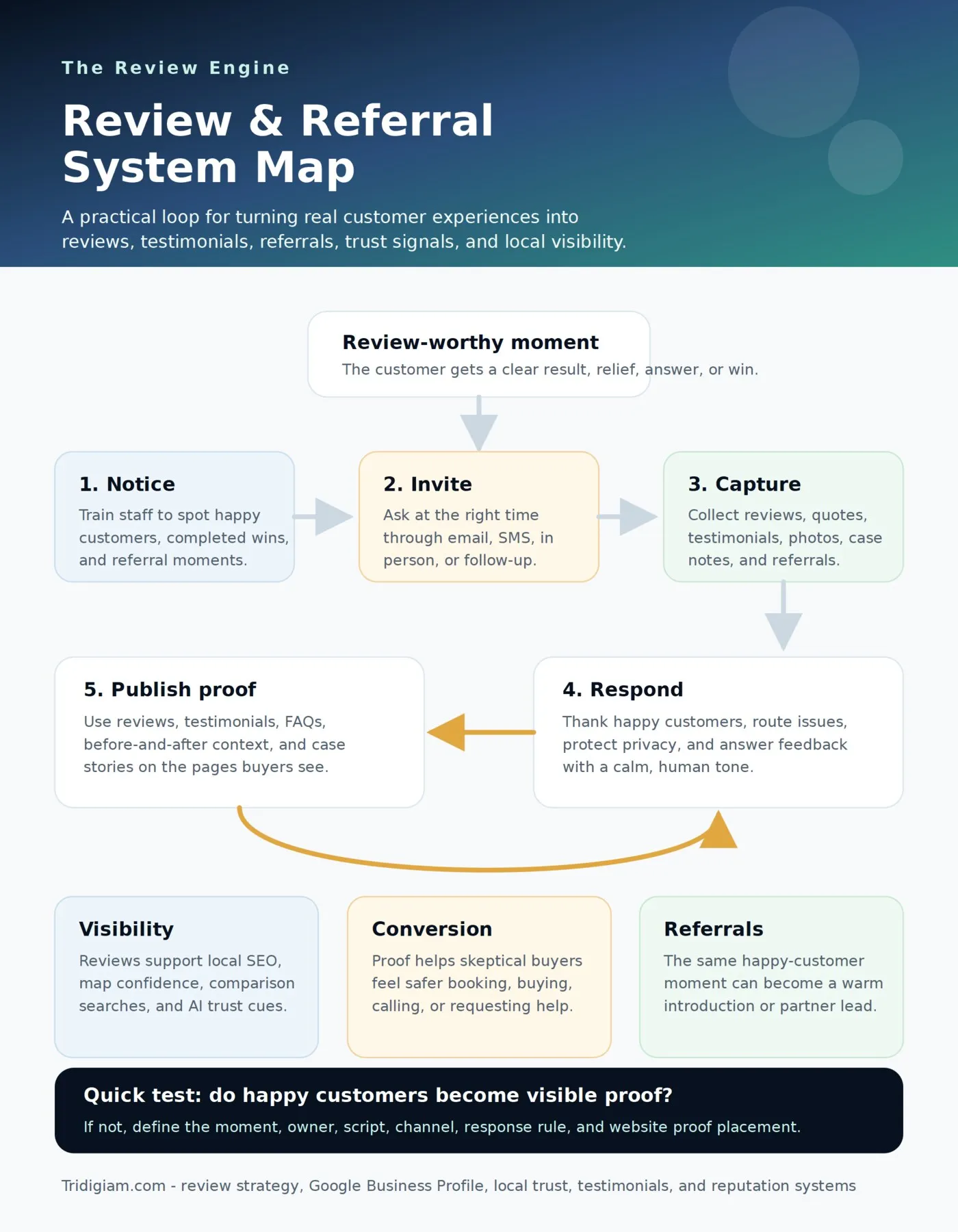
Related book: For a simple system to earn more reviews, referrals, and trust signals, see The Review Engine by Chris Goodman.

Explore knowledge from Chris Goodman, a marketing expert with extensive agency and small business experience, specializing in innovative advertising strategies. Chris has a Bachelor’s in Marketing from RMIT, years working in advertising agencies servicing clients, and years of experience working with small to medium sized businesses operating within regulated industries.