
Quick answer: Ad spend optimization means putting budget where it returns the most, by tracking performance, cutting underperformers, and scaling winners. The goal is maximum results per dollar. This covers getting the most out of your ad budget.
In the current digital age, businesses looking to maximize their marketing return on investment (ROI) must optimize their advertising expenditure. Businesses are guaranteed to reach their target audience and attain noteworthy outcomes through efficient management & resource allocation to the most effective advertising channels. Ad spend optimization is the process of allocating resources to the most effective advertising platforms through data analysis, trend identification, and strategic decision-making.
Key Takeaways
- Ad spend optimization is crucial for maximizing the impact of your marketing budget
- Paid social media efforts can be maximized through targeted audience research and compelling ad creatives
- An effective social media strategy involves setting clear goals, understanding your audience, and consistent engagement
- Leveraging social media marketing can lead to optimal results by utilizing various platforms and content formats
- Digital marketing tools can help in optimizing ad spend by providing insights, automation, and performance tracking
- Implementing paid ads with a clear objective and compelling content can lead to maximum impact on social media
- Measuring and analyzing results is essential for continuous improvement and refining your social media marketing strategy
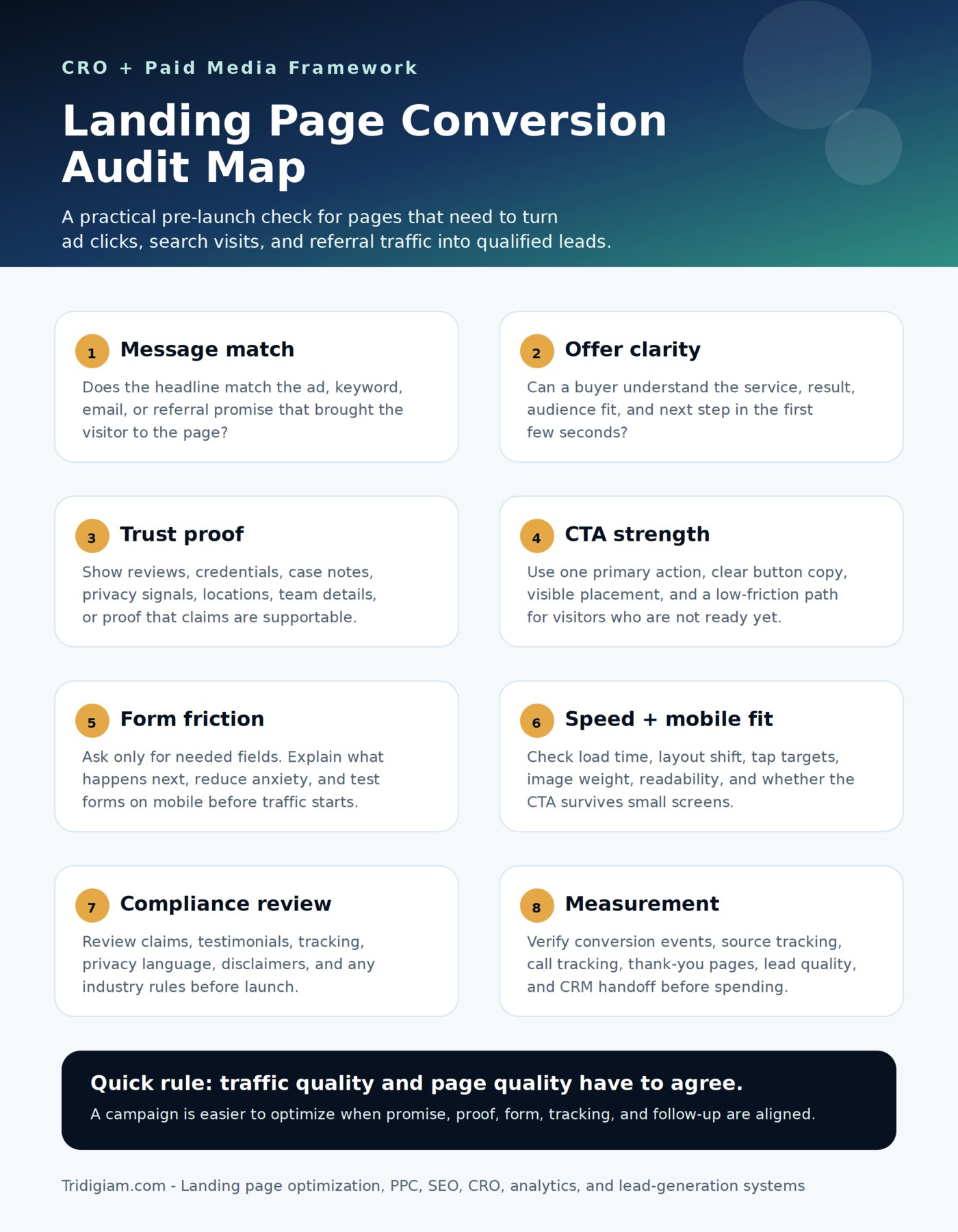
If you’re interested in learning more about the intersection of SEO, PPC, and conversion rate optimization, check out this insightful article on Tridigiam’s website: The Intersection of SEO, PPC, and Conversion Rate Optimization. This article delves into the ways in which these three crucial elements of digital marketing can work together to maximize the effectiveness of your advertising efforts.
FAQs
What is ad spend optimization?
Ad spend optimization refers to the process of maximizing the impact of your advertising budget by strategically allocating funds to the most effective channels and campaigns.
Why is ad spend optimization important?
Ad spend optimization is important because it allows businesses to make the most out of their advertising budget, ensuring that every dollar spent delivers the best possible results in terms of reach, engagement, and conversions.
What are the benefits of ad spend optimization?
The benefits of ad spend optimization include improved return on investment (ROI), increased brand visibility, better targeting of potential customers, and more efficient use of advertising resources.
How can businesses optimize their ad spend?
Businesses can optimize their ad spend by conducting thorough research to identify the most effective advertising channels, setting clear goals and KPIs, continuously monitoring and analyzing campaign performance, and adjusting their strategies based on data-driven insights.
What are some common strategies for ad spend optimization?
Common strategies for ad spend optimization include A/B testing different ad creatives and messaging, targeting specific audience segments, leveraging retargeting and remarketing tactics, and using data analytics to inform decision-making.
What tools and technologies can help with ad spend optimization?
Tools and technologies such as ad management platforms, analytics software, customer relationship management (CRM) systems, and marketing automation tools can help businesses optimize their ad spend by providing insights, tracking performance, and streamlining campaign management.
Related service: Learn more about Tridigiam’s paid social advertising.
Need marketing that actually moves the needle?
Tridigiam is a Las Vegas marketing and advertising agency built for regulated and growth-focused businesses. Call (702) 748-7005 or request a consultation.
Frequently asked questions
What’s the fastest way to improve return on a paid social budget?
Cut or pause the clear underperformers first, then shift that freed-up budget into your best-performing ads and audiences. Reallocating existing spend toward what’s already working usually moves the needle faster than adding new budget.
How do you know when it’s time to scale a winning ad?
Once an ad shows consistent, stable performance over enough spend and time to trust the numbers, increase budget gradually rather than in one large jump. Sudden large budget increases can reset a platform’s delivery algorithm and temporarily hurt performance.
Should you optimize for lowest cost-per-click or lowest cost-per-result?
Cost-per-result, tied to your actual business goal like a lead or a sale, matters more than cost-per-click. A cheap click that never converts is a worse use of budget than a more expensive click that does.
Want more like this? Browse our free CRO, SEO, and AI search guides.

Written and reviewed by Chris Goodman, CEO of Tridigiam
Founder of a Las Vegas marketing agency building AI-visibility and compliance-aware marketing systems for regulated industries — healthcare, addiction treatment, and aesthetics. LinkedIn

Explore knowledge from Chris Goodman, a marketing expert with extensive agency and small business experience, specializing in innovative advertising strategies. Chris has a Bachelor’s in Marketing from RMIT, years working in advertising agencies servicing clients, and years of experience working with small to medium sized businesses operating within regulated industries.