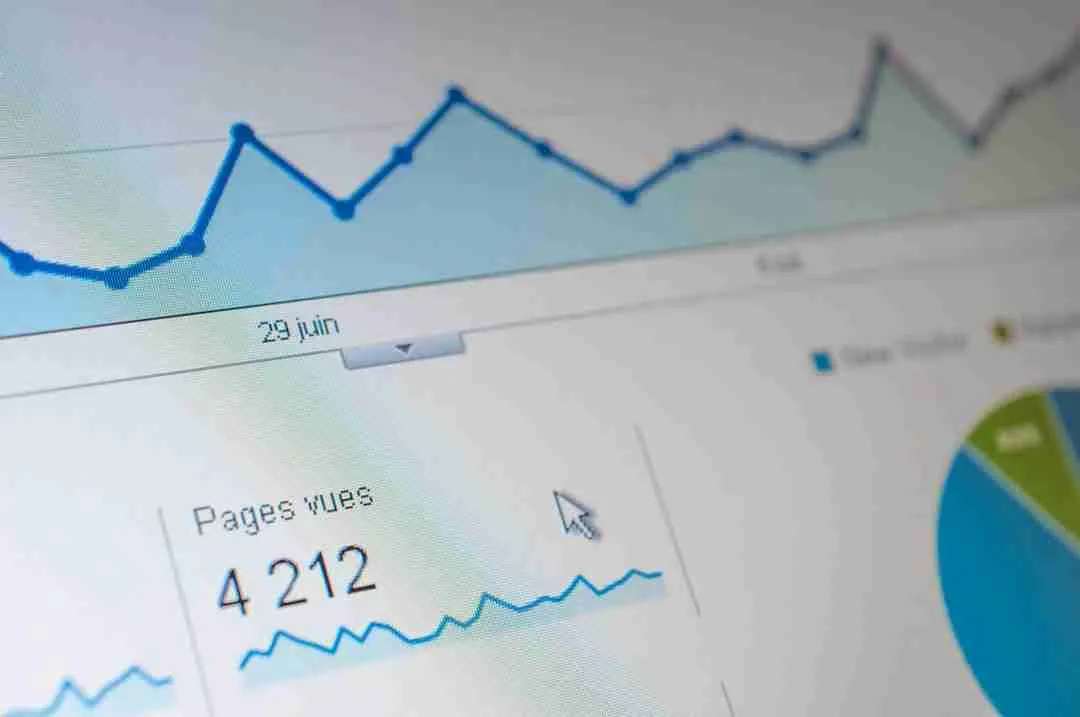
Quick answer: Using analytics to refine paid social means reading performance data and feeding it back into targeting, creative, and budget so each round improves. Data turns campaigns into a learning loop. This covers refining strategy with analytics.
Analytics are crucial to digital marketing because they allow us to assess the success of sponsored social media campaigns. These tools offer vital information on important KPIs, such as ROI (return on investment), reach, engagement, and conversions. Marketers can learn a lot about audience behavior & preferences by looking at these metrics, and those insights can be used to inform future marketing strategies.
Key Takeaways
- Analytics in paid social media is crucial for understanding the performance and impact of marketing efforts.
- Audience insights and behavior can be identified through analytics, helping to tailor content and targeting strategies.
- Refining paid social media strategy based on analytics data can lead to more effective and efficient campaigns.
- Leveraging analytics to optimize paid ads performance can result in higher ROI and better engagement.
- Incorporating analytics into overall social media marketing strategy can help in making data-driven decisions and achieving business goals.
Through analytics, marketers can evaluate the effectiveness of their sponsored social media campaigns and pinpoint areas for improvement. By tracking metrics like click-through rates, conversion rates, and cost per acquisition, marketers can allocate funds more effectively and identify the best-performing campaigns. Analytics provide in-depth data on audience demographics, interests, and online behavior, helping marketers design more targeted and successful paid social media campaigns. This data-driven approach allows for ongoing performance improvement and enhanced understanding of the target audience.
Recognizing Your Target Audience
Understanding Audience Preferences
Analytics offer valuable insights into the preferences and behaviors of the target audience. By examining data on demographics, interests, and online behavior, marketers can gain a deeper understanding of their audience and the types of content that resonate with them.
Developing Tailored Content
Using this data, marketers can create more relevant and tailored sponsored social media campaigns, increasing their chances of success. This approach ensures that the content is aligned with the interests and preferences of the target audience.
Assessing Engagement and Interaction
Measuring Audience Interaction
Analytics provide information on how the audience interacts with sponsored social media content. Metrics like likes, shares, comments, and click-through rates help marketers understand audience engagement and interaction with their content.
Enhancing Social Media Strategies
With this data, marketers can refine their paid social media strategies and produce content that drives engagement and conversions. Data-driven insights allow for the continuous optimization of marketing strategies, ensuring they remain effective and relevant.
Optimizing Ad Creative and Performance
Refining Campaign Elements
Analytics help marketers identify which elements of their sponsored social media campaigns are performing well and which need improvement. By examining key metrics like reach, engagement, and conversions, marketers can refine targeting, messaging, and creative components for better results.
A/B Testing and Iteration
Marketers can use analytics to conduct A/B testing on different aspects of their campaigns, such as ad copy, images, targeting parameters, and calls to action. This iterative approach helps identify the most effective strategies for connecting with the target audience and driving conversions.
Effective Budget Allocation
Maximizing Ad Spend
Analytics play a crucial role in optimizing the effectiveness of sponsored social media advertisements. By monitoring key metrics like click-through rates, conversion rates, and cost per acquisition, marketers can determine which ads are performing best and adjust their budgets accordingly. This data-driven strategy ensures that ad spend is focused on the most successful campaigns and creative elements.
Audience Segmentation and Targeting
Analytics can track performance metrics and provide insights into audience segmentation and ad targeting. By examining data on audience demographics, interests, and online behavior, marketers can determine the most relevant targeting criteria for their ads. This approach helps create more tailored and effective advertisements.
Comprehensive Social Media Strategy
Integrating Analytics
Analytics should be a crucial component of any comprehensive social media marketing plan. By monitoring key metrics like reach, engagement, and conversions across all social media platforms, marketers can gain a thorough understanding of their target audience’s habits and preferences. This data can inform content creation, targeting strategies, and overall marketing tactics.
Tracking Industry Trends
Analytics also monitor performance indicators and reveal broader trends in the social media landscape. By using data on competitive performance, industry benchmarks, and emerging trends, marketers can make informed decisions about their overall social media strategy. Staying up-to-date with the latest social media developments ensures that strategies remain relevant and effective.
Measuring ROI and Channel Effectiveness
Assessing ROI
One of the main purposes of analytics in paid social media is to assess the ROI and effectiveness of marketing initiatives. By monitoring key metrics like cost per acquisition, conversion rates, and revenue from sponsored social media campaigns, marketers can evaluate the overall impact of their efforts on business objectives.
Optimizing Channel Mix
Analytics can also provide insights into the effectiveness of different paid social media strategies and channels. By tracking performance metrics across various platforms, marketers can determine which channels produce the best results and allocate resources accordingly. This data-driven approach helps maximize the mix of channels used and direct funding to the most productive platforms.
Continuous Improvement
Real-Time Monitoring and Adjustments
Marketers should use analytics to track the effectiveness of sponsored social media campaigns over time and make data-driven adjustments. By monitoring key metrics like reach, engagement, and conversions in real-time, marketers can identify trends and patterns that guide ongoing strategy modifications.
Long-Term Trends and Strategic Adjustments
Analytics offer insights into longer-term trends and audience behavior patterns. By analyzing historical data on campaign performance, marketers can uncover audience preferences, seasonal trends, and other factors that guide strategic adjustments over time. This data-driven approach ensures that paid social media strategies remain relevant and successful in the ever-changing digital landscape.
If you’re looking to refine your paid social media strategy, you may also be interested in learning about creating a comprehensive social media marketing plan. This article from Tridigia Marketing discusses the importance of developing a solid plan to effectively reach your target audience and achieve your business goals. Check it out here.
FAQs
What is a paid social media strategy?
Paid social media strategy refers to the use of paid advertising on social media platforms to reach a specific target audience and achieve marketing goals. This can include promoting posts, running ads, and utilizing other paid features offered by social media platforms.
What is analytics in the context of social media strategy?
Analytics in the context of social media strategy refers to the collection and analysis of data related to social media performance. This can include metrics such as engagement, reach, clicks, conversions, and more. Analytics help marketers understand the effectiveness of their social media efforts and make data-driven decisions.
How can analytics be used to refine a paid social media strategy?
Analytics can be used to refine a paid social media strategy by providing insights into the performance of paid campaigns. Marketers can analyze data to understand which ads are performing well, which audience segments are most responsive, and which tactics are driving the best results. This information can then be used to optimize and refine the strategy for better outcomes.
What are some key metrics to consider when using analytics for paid social media strategy?
Key metrics to consider when using analytics for paid social media strategy include click-through rate (CTR), conversion rate, cost per click (CPC), return on ad spend (ROAS), engagement rate, and reach. These metrics can provide valuable insights into the effectiveness of paid campaigns and help guide strategic decisions.
What are some common tools for analyzing paid social media performance?
Common tools for analyzing paid social media performance include the analytics features provided by social media platforms themselves, as well as third-party analytics tools such as Google Analytics, Hootsuite, Sprout Social, and Buffer. These tools offer a range of features for tracking and analyzing paid social media performance.
Related service: Learn more about Tridigiam’s paid social advertising.
Need marketing that actually moves the needle?
Tridigiam is a Las Vegas marketing and advertising agency built for regulated and growth-focused businesses. Call (702) 748-7005 or request a consultation.
Frequently asked questions
What analytics matter most when refining a paid social strategy?
Cost per result, click-through rate by creative, and audience-level performance tend to matter most, since they show specifically what’s working well enough to scale and what’s dragging down overall efficiency.
How often should paid social analytics actually change strategy or budget?
Reviewing weekly and making incremental adjustments tends to work better than reacting to daily fluctuations, since ad platforms need enough data volume before performance differences are statistically meaningful rather than noise.
Can analytics alone tell you why an ad is underperforming?
Not fully. Analytics show what’s happening, low click-through, high cost, but understanding why usually requires looking at the actual creative, targeting, and offer to diagnose the specific cause behind the numbers.
Want more like this? Browse our free CRO, SEO, and AI search guides.

Written and reviewed by Chris Goodman, CEO of Tridigiam
Founder of a Las Vegas marketing agency building AI-visibility and compliance-aware marketing systems for regulated industries — healthcare, addiction treatment, and aesthetics. LinkedIn

Explore knowledge from Chris Goodman, a marketing expert with extensive agency and small business experience, specializing in innovative advertising strategies. Chris has a Bachelor’s in Marketing from RMIT, years working in advertising agencies servicing clients, and years of experience working with small to medium sized businesses operating within regulated industries.