Quick answer: Augmented reality in paid social, like try-on filters and interactive lenses, drives engagement by letting people experience a product before buying. It turns ads into participation. This covers the impact of AR in social campaigns.
With paid social media campaigns in particular, augmented reality (AR) has become a game-changing technology in digital marketing. Augmented reality (AR) creates an immersive and interactive user experience by fusing digital elements like videos, images, and 3D models into the physical world. Brands can interact with their audience in fresh and meaningful ways thanks to this technology, which could increase user engagement, brand recognition, & sales. In recent years, there has been a noticeable increase in the integration of augmented reality into paid social media campaigns.
Key Takeaways
- Augmented reality (AR) is a powerful tool for enhancing paid social media campaigns, offering immersive and interactive experiences for users.
- AR plays a crucial role in social media strategy by increasing engagement, driving brand awareness, and creating memorable experiences for consumers.
- Leveraging AR in social media marketing can lead to higher conversion rates, increased customer loyalty, and a competitive edge in the market.
- Integrating AR into digital marketing campaigns can provide a unique and innovative way to showcase products or services, ultimately leading to higher ROI.
- Maximizing the impact of AR in paid ads involves creating compelling and relevant content that resonates with the target audience, ultimately driving results and achieving campaign objectives.
- Successful case studies demonstrate the effectiveness of AR in paid social media campaigns, showcasing how brands have utilized AR to create memorable and impactful experiences for consumers.
- Future trends and opportunities for AR in paid social media campaigns include advancements in AR technology, increased adoption by brands, and the potential for personalized and targeted AR experiences.
Creating Memorable and Unique Experiences
In today’s competitive digital landscape, brands have a rare opportunity to create memorable and unique advertising experiences using augmented reality (AR). Popular social media platforms like Facebook, Instagram, and Snapchat have incorporated AR features, providing marketers with various tools to integrate this technology into their campaigns. As AR technology continues to evolve and become more accessible, it is predicted to significantly impact future brand-consumer interactions through paid social media advertising.
Personalized and Immersive Experiences
By integrating AR into their social media campaigns, brands can deliver personalized and immersive experiences that captivate their target audience. AR allows brands to showcase products and services dynamically, differentiating themselves from traditional advertising techniques and offering consumers unforgettable and unique experiences.
Enhancing User Engagement
AR has the potential to increase user engagement and strengthen the bond between consumers and brands. By enabling real-world interaction with digital content, AR generates curiosity and excitement, leading users to spend more time interacting with branded content. This enhanced interaction can result in higher conversion rates and a better return on investment for brands.
Strategic Component of Social Media Planning
AR has become a crucial component of social media strategy, enabling companies to develop more powerful and successful ads that resonate with their target audience. By utilizing AR in their social media marketing, brands can gain a competitive edge, create immersive and interactive experiences, and encourage meaningful engagement.
Driving User-Generated Content
AR can also drive user-generated content, increasing the impact and reach of social media marketing initiatives. By giving users the tools to create their own AR experiences, brands can inspire brand advocates and leverage their audience’s creativity. This user-generated content can then be shared on social media platforms, enhancing the campaign’s reach and fostering organic interaction.
New Avenues for Brand Storytelling
Incorporating AR into digital marketing campaigns enhances brand storytelling capabilities. AR allows brands to present their products or services in an engaging and educational manner, whether through 3D product demos on Facebook or interactive filters on Instagram. This technology enables brands to find new ways to engage with their audience more deeply and effectively.
Maximizing Impact with Strategic AR Integration
To maximize the impact of AR in paid advertisements, brands should develop aesthetically pleasing experiences that offer real value to users. Through interactive games, virtual product demos, or customized filters, brands can create informative and entertaining ads that draw in viewers and encourage deeper interaction. Optimizing the ad experience for seamless integration across various social media platforms is also essential for maximizing AR’s impact.
Successful Uses of AR in Social Media Campaigns
Sephora and Snapchat
Sephora partnered with Snapchat to introduce an AR lens that allowed users to virtually try on different lipstick shades. This campaign not only generated significant engagement but also increased store visits by 38% among users who interacted with the AR lens.
Adidas and Instagram
Adidas collaborated with Instagram to launch an AR filter that let users virtually try on a new line of sneakers. This campaign created a buzz on social media and led to a 32% increase in online sales of the highlighted products.
The Future of AR in Paid Social Media Promotions
These case studies demonstrate how thoughtfully and creatively using AR can yield significant results for sponsored social media campaigns. AR technology enables brands to engage consumers, raise brand awareness, and boost sales by creating immersive and interactive experiences.
Emerging Opportunities
Advances in AR technology and its growing integration across social media platforms present new opportunities for brands to create more engaging and interactive advertising campaigns. The potential applications of AR in paid social media campaigns are virtually limitless, from interactive product demonstrations for consumer electronics to virtual try-on experiences for fashion and beauty brands.
Increased Consumer Adoption
Marketers should anticipate a rise in consumer adoption of AR technology, enhancing consumer interaction with AR-enabled advertisements. As social media platforms continue to invest in AR features and tools, marketers can leverage these developments to produce more sophisticated and impactful AR campaigns.
Conclusion
Augmented reality presents exciting prospects for brands looking to enhance their marketing efforts through paid social media campaigns. By creating more immersive, interactive, and engaging advertisements, brands can reach their target market in innovative ways and achieve significant results. AR’s potential to transform traditional digital marketing campaigns into memorable and captivating experiences makes it a valuable tool for any forward-thinking brand.
If you’re interested in learning more about leveraging user intent for more effective SEO and PPC targeting, check out Tridigia’s article on the topic here. Understanding user intent is crucial for creating successful paid social media campaigns, and this article provides valuable insights into how to leverage it for better results.
FAQs
What is augmented reality (AR)?
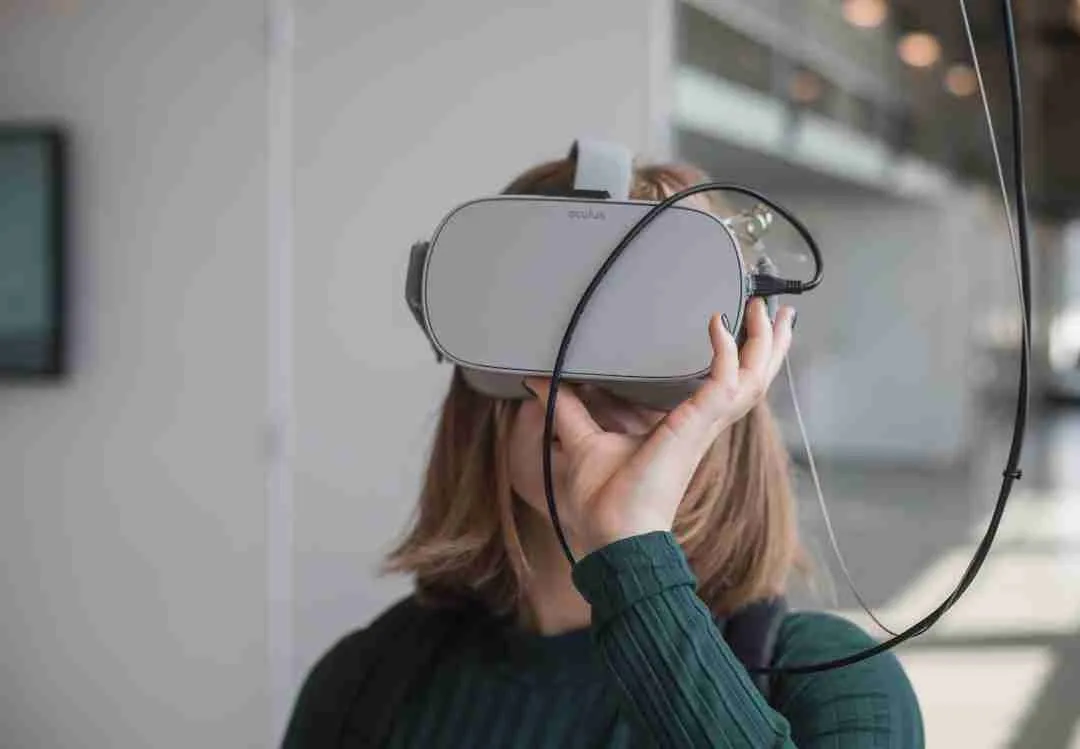
Augmented reality (AR) is a technology that superimposes digital information such as images, videos, or 3D models onto the real world, typically viewed through a smartphone or AR glasses.
How is augmented reality used in paid social media campaigns?
Augmented reality is used in paid social media campaigns to create interactive and engaging experiences for users. Brands can use AR to allow users to virtually try on products, visualize how products would look in their own space, or play interactive games related to the brand.
What impact does augmented reality have on paid social media campaigns?
Augmented reality can have a significant impact on paid social media campaigns by increasing user engagement, driving brand awareness, and ultimately leading to higher conversion rates. AR experiences can create a memorable and shareable experience for users, leading to increased brand visibility and customer interest.
What are some examples of successful augmented reality campaigns in paid social media?
Some successful examples of augmented reality campaigns in paid social media include makeup brands allowing users to virtually try on different shades of lipstick, furniture brands allowing users to visualize how a piece of furniture would look in their home, and beverage brands creating interactive AR games related to their products.
What are the challenges of implementing augmented reality in paid social media campaigns?
Challenges of implementing augmented reality in paid social media campaigns include the cost of creating AR experiences, technical limitations of AR technology, and ensuring that the AR experience aligns with the brand’s overall marketing strategy and messaging. Additionally, not all social media platforms may fully support AR experiences, limiting the reach of the campaign.
Related service: Learn more about Tridigiam’s paid social advertising.
Need marketing that actually moves the needle?
Tridigiam is a Las Vegas marketing and advertising agency built for regulated and growth-focused businesses. Call (702) 748-7005 or request a consultation.
Frequently asked questions
How does augmented reality change the way people interact with paid social ads?
AR lets people try on a product, place it in their space, or interact with a filter instead of just watching or reading, which turns the ad into a hands-on experience. That participation tends to hold attention longer than a static image or standard video.
Which industries benefit most from AR ad formats?
Products people want to visualize before buying, like beauty, apparel, furniture, and eyewear, see the clearest lift from try-on AR, since it removes some of the uncertainty of buying sight-unseen online.
What does it take to run an AR ad campaign?
You’ll need a custom AR filter or lens built for the platform you’re advertising on, which is more production work than a standard image or video ad. Budget extra time for building and testing the AR experience before the campaign launches.
Want more like this? Browse our free CRO, SEO, and AI search guides.

Written and reviewed by Chris Goodman, CEO of Tridigiam
Founder of a Las Vegas marketing agency building AI-visibility and compliance-aware marketing systems for regulated industries — healthcare, addiction treatment, and aesthetics. LinkedIn

Explore knowledge from Chris Goodman, a marketing expert with extensive agency and small business experience, specializing in innovative advertising strategies. Chris has a Bachelor’s in Marketing from RMIT, years working in advertising agencies servicing clients, and years of experience working with small to medium sized businesses operating within regulated industries.