
Quick answer: Mental health marketing for therapists balances reach with ethics and compliance: HIPAA-safe tracking, careful condition-specific language, crisis-safe messaging, and FTC-compliant testimonials. Therapists can grow a practice with SEO, content, and directories, as long as claims stay defensible and patient confidentiality is protected. This is educational, not legal advice.
The landscape of mental health marketing is evolving rapidly, presenting new opportunities and challenges for therapists striving to ethically and effectively promote their services. In this digital age, the role of marketing in the mental health sector cannot be overstated, as it significantly impacts a therapist’s ability to reach and support more clients. The primary focus of mental health marketing is to ensure that advertising practices adhere to ethical guidelines while leveraging modern technology to enhance visibility and engagement. This article delves into strategies for achieving effective mental health marketing, explores current trends, and provides insights into maintaining ethical standards in therapist advertising.
Key Takeaways
- Mental health marketing is crucial for therapists to expand their client base and offer their services to those in need.
- Email Marketing for Healthcare: Building HIPAA-Compliant CampaignsImplementing ethical advertising practices is paramount to maintain trust and credibility in the mental health field.
- Digital marketing, including SEO and social media engagement, is essential for reaching potential clients effectively.
- Local SEO and online directories are important tools for therapists aiming to attract clients in their vicinity.
- Content marketing, particularly video content, is becoming increasingly influential in the mental health sector.
- Maintaining a strong online presence and managing online reviews are critical for reputation management.
The Current State of Mental Health Marketing
The global mental health market is projected to continue its growth in the years ahead. This expansion highlights the increasing demand for mental health services and the need for effective marketing strategies to connect professionals with those seeking help. Mental health professionals increasingly recognize the importance of online marketing in growing their practices.
Despite the evident benefits, many therapists have yet to fully utilize digital marketing strategies. Many therapists have yet to engage with social media platforms for marketing purposes, indicating a significant underutilization of available tools. As more consumers turn to online resources to find mental health professionals, therapists must embrace digital marketing to remain competitive.
Ethical Considerations in Therapist Advertising
Ethical advertising is a cornerstone of mental health marketing, as it ensures that promotional practices align with professional values and regulatory standards. The American Psychological Association emphasizes the importance of truthfulness in advertising, discouraging false or misleading statements. Adhering to these ethical guidelines not only preserves the integrity of the profession but also builds trust with potential clients.
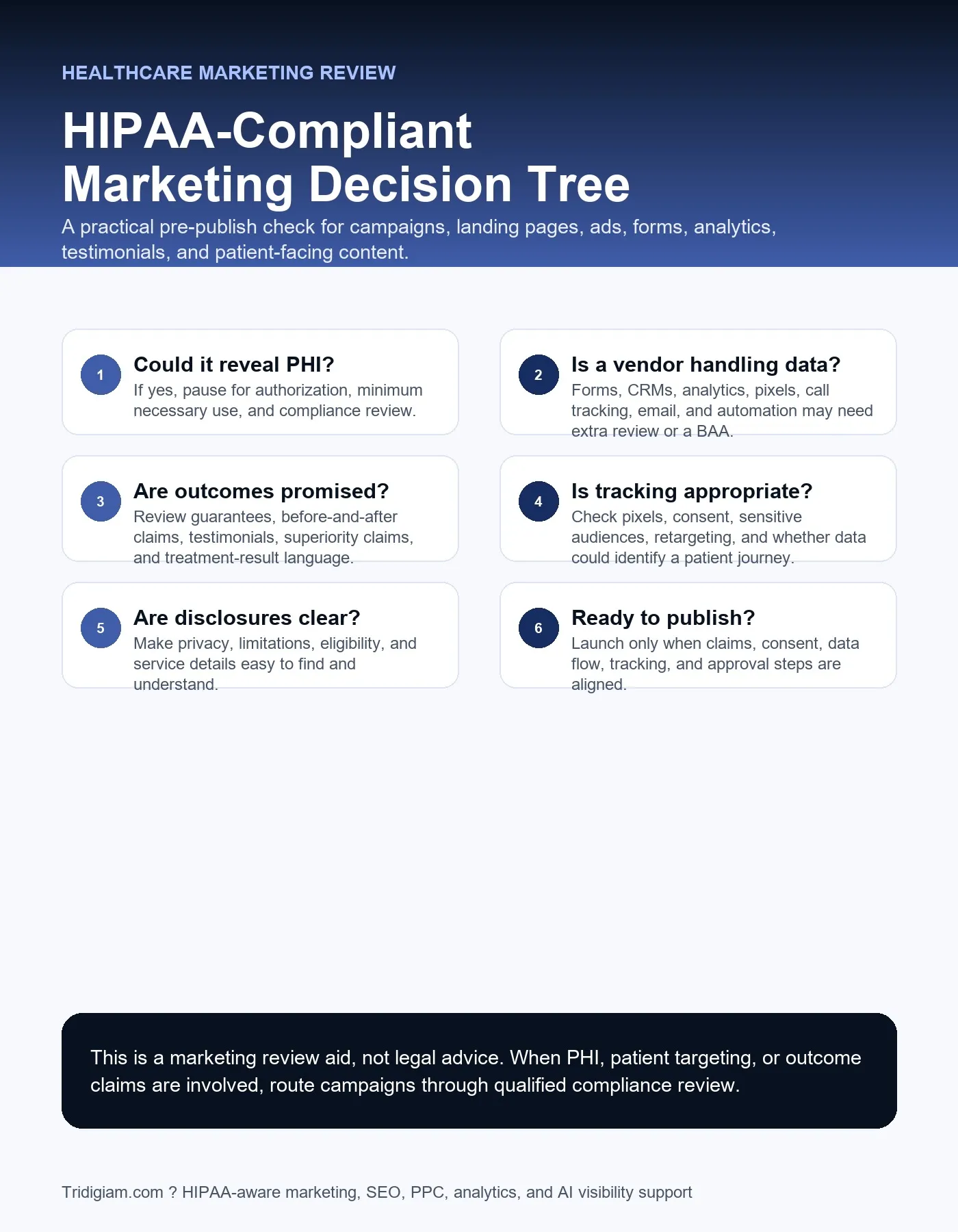
Healthcare Content Marketing: Building Patient Trust Through Authority ContentTherapists should focus on transparency in their advertising efforts, clearly communicating their qualifications, areas of expertise, and the scope of services offered. This transparency helps potential clients make informed decisions and fosters a positive therapeutic relationship from the outset. Additionally, respecting client confidentiality and privacy in marketing communications is crucial to maintaining ethical standards.
Leveraging Digital Marketing for Counseling Practices
Digital marketing plays a pivotal role in therapist advertising, offering a range of tools to enhance visibility and engagement. Search engine optimization (SEO) is particularly vital, as the large majority of clicks go to websites on the first page of Google search results. By optimizing content for relevant keywords, such as “mental health marketing,” therapists can improve their search engine rankings and attract more online traffic.
Social media platforms provide an opportunity for therapists to connect with potential clients, share valuable insights, and establish themselves as thought leaders in the mental health field. Despite the low engagement from therapists reported by the American Psychological Association, those who effectively use social media can tap into a vast audience and foster community engagement.
Harnessing the Power of Local SEO
Local SEO for Medical Practices: How to Dominate Patient SearchesLocal SEO is a critical component of mental health marketing, as a substantial share of all Google searches carry local intent. By optimizing for “near me” searches, therapists can ensure that their services are visible to individuals seeking help in their geographical area. This involves optimizing Google My Business listings, acquiring local backlinks, and ensuring consistent name, address, and phone number (NAP) information across all online platforms.
Online directories, such as Psychology Today, have become integral to the modern therapist advertising landscape. These directories allow professionals to create detailed profiles, highlighting their specialties, credentials, and client testimonials. Optimizing these profiles with relevant keywords and high-quality images can significantly increase visibility and attract more clients.
The Impact of Telehealth on Mental Health Marketing
The rise of telehealth has transformed the way mental health services are delivered, with many patients continuing to prefer teletherapy options in the years since the COVID-19 pandemic. This shift has important implications for mental health marketing, as therapists must adapt their strategies to accommodate virtual service offerings. Highlighting telehealth capabilities in marketing materials can attract clients who prioritize convenience and accessibility.
Moreover, telehealth presents opportunities for therapists to expand their client base beyond geographical constraints. By offering virtual services, therapists can reach clients in underserved areas and provide support to individuals who might otherwise face barriers to accessing mental health care.
Content Marketing: A Powerful Tool for Therapists
Content marketing is a powerful strategy for therapists looking to enhance their online presence and engage with potential clients. Blogging, informative posts, and video content are effective means of establishing credibility and demonstrating expertise. Content marketing can meaningfully increase lead generation compared to traditional marketing methods, making it a worthwhile investment for mental health professionals.
Video content, in particular, is gaining traction and continues to make up a growing share of all online traffic. Therapists can leverage video content to provide insights into mental health topics, share client success stories (with permission), and offer virtual workshops or Q&A sessions. This dynamic form of content not only captivates audiences but also builds a deeper connection with potential clients.
Reputation Management and Online Reviews
In the digital age, reputation management is an essential aspect of mental health marketing. Most consumers trust online reviews, making it imperative for therapists to actively manage their online reputation. Encouraging satisfied clients to leave positive reviews on platforms like Google and Yelp can enhance a therapist’s credibility and attract new clients.
However, therapists must approach online reviews with caution, as ethical guidelines prohibit disclosing client information or responding to reviews in a way that breaches confidentiality. Instead, therapists can acknowledge feedback and express gratitude while maintaining professionalism. Monitoring online mentions and addressing any negative feedback constructively is also crucial for maintaining a positive reputation.
Conclusion: Embracing Ethical and Effective Mental Health Marketing
In conclusion, mental health marketing presents both opportunities and challenges for therapists striving to expand their reach and support more clients. By prioritizing ethical advertising practices and embracing digital marketing strategies, therapists can effectively promote their services while maintaining the trust and integrity of the profession. Local SEO, content marketing, and reputation management are all essential components of a successful mental health marketing strategy.
As the mental health field continues to evolve, staying informed about the latest trends and best practices is crucial for therapists seeking to make a meaningful impact. Partnering with a digital marketing agency like Tridigiam can provide therapists with the expertise and resources needed to navigate the complexities of mental health marketing and achieve their practice goals.
FAQ
What are the primary ethical considerations in mental health marketing?
Ethical considerations in mental health marketing include truthfulness in advertising, transparency about qualifications and services, respecting client confidentiality, and adhering to professional guidelines, such as those set by the American Psychological Association.
How can therapists use digital marketing to grow their practice?
Therapists can use digital marketing by optimizing their website for SEO, engaging with potential clients on social media, leveraging content marketing through blogs and videos, and utilizing online directories to enhance visibility and attract new clients.
Why is local SEO important for mental health practices?
Local SEO is important because it helps therapists reach clients in their immediate geographical area. By optimizing for local searches, therapists can appear in “near me” search results, increasing the likelihood of attracting clients who are looking for services nearby.
How has telehealth impacted mental health marketing?
Telehealth has expanded the reach of mental health services, allowing therapists to offer virtual sessions and attract clients who prefer online options. It has also necessitated the inclusion of telehealth capabilities in marketing materials to appeal to a broader audience.
What role does content marketing play in attracting clients to a counseling practice?
Content marketing plays a significant role by providing valuable information to potential clients, establishing the therapist’s expertise, and enhancing online visibility. Blogging, videos, and informative posts can engage audiences and drive traffic to the therapist’s website.
Related service: Learn more about Tridigiam’s creative advertising services.
Need marketing that actually moves the needle?
Tridigiam is a Las Vegas marketing and advertising agency built for regulated and growth-focused businesses. Call (702) 748-7005 or request a consultation.
Frequently asked questions
What makes mental health marketing different from other healthcare marketing?
It requires extra care around condition-specific language, crisis-safe messaging that avoids content that could distress someone in crisis, and strict HIPAA-safe tracking on top of standard healthcare compliance.
Can therapists use client testimonials in marketing?
Only with proper informed consent and FTC-compliant disclosure; testimonials also can’t imply guaranteed outcomes, since therapy results vary by individual.
What channels work best for growing a therapy practice?
SEO, content marketing, and Google Business Profile optimization tend to perform well, since people often search directly for a therapist when they’re ready to seek care.
Want more like this? Browse our free CRO, SEO, and AI search guides.

Written and reviewed by Chris Goodman, CEO of Tridigiam
Founder of a Las Vegas marketing agency building AI-visibility and compliance-aware marketing systems for regulated industries — healthcare, addiction treatment, and aesthetics. LinkedIn
Related book: For a practical system to build local visibility, reviews, citations, and trust signals, see The Local Trust Stack by Chris Goodman.

Explore knowledge from Chris Goodman, a marketing expert with extensive agency and small business experience, specializing in innovative advertising strategies. Chris has a Bachelor’s in Marketing from RMIT, years working in advertising agencies servicing clients, and years of experience working with small to medium sized businesses operating within regulated industries.