
Quick answer: Increasing your ranking on Google means aligning content with search intent, improving page quality and experience, earning credible links, and fixing technical issues that block crawling or speed. It is a compounding effort, not a one-time fix. This covers the practical levers that raise rankings.
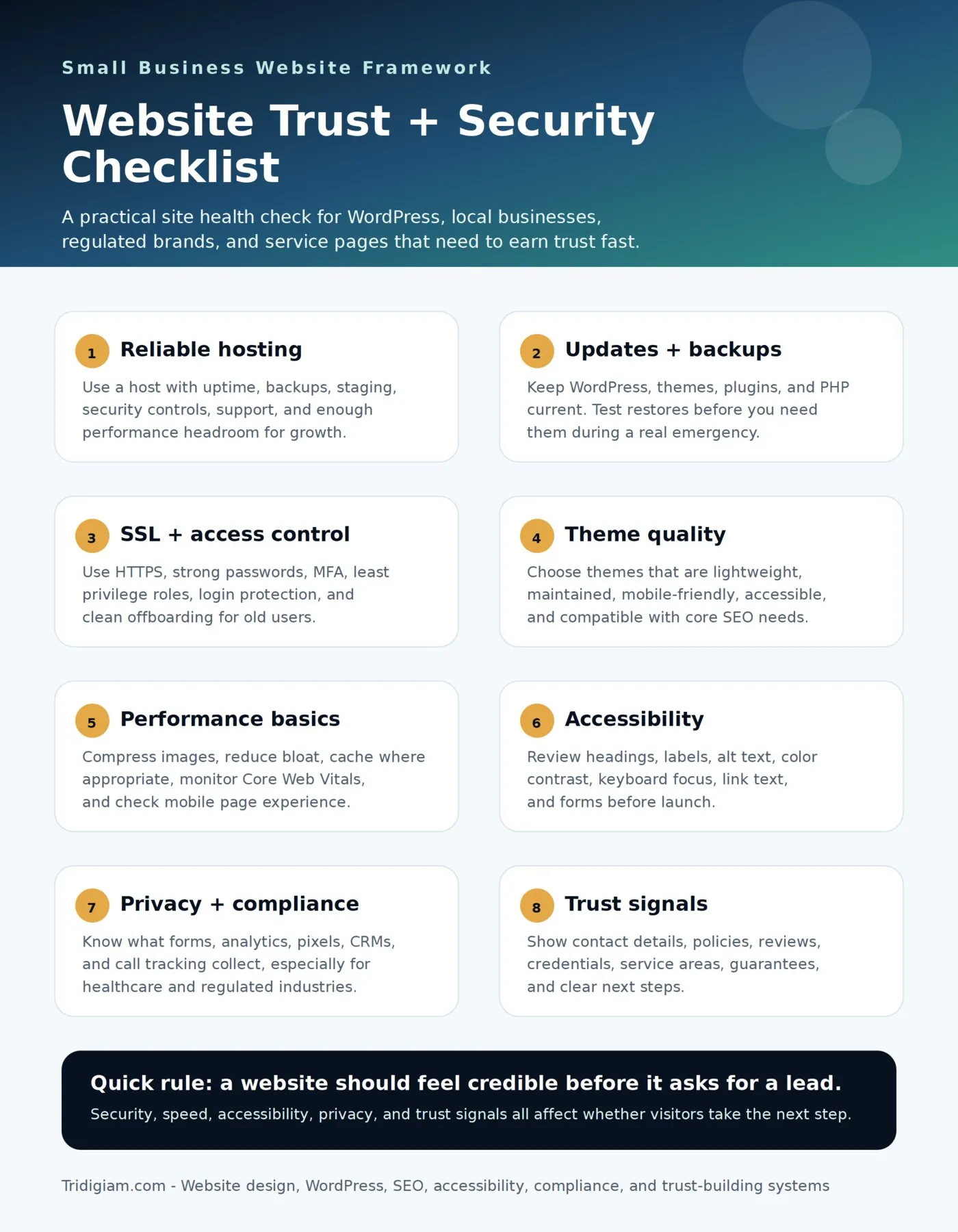
Google ranking improvement answer map
To increase website ranking on Google, improve the page’s relevance, usefulness, crawlability, experience, and trust signals together. Rankings usually improve when a page answers the searcher’s intent better than competing pages, loads well, is easy to navigate, earns credible references, and gives Google clear signals about what the page is about.
- Content quality: answer the query directly, cover the topic completely, show expertise, and remove thin or duplicate content.
- Technical access: make sure Google can crawl, render, index, canonicalize, and understand the page without blocked resources or broken internal paths.
- Page experience: improve speed, mobile usability, layout stability, HTTPS, accessibility, and intrusive-element issues.
- Authority signals: strengthen internal links, earn relevant external links, cite trustworthy sources, and make author/business credibility visible.
- Measurement: use Search Console, analytics, ranking data, conversions, and query-level performance to decide what to improve next.
Useful source anchors include Google’s SEO Starter Guide, Google’s guidance on helpful, reliable, people-first content, Google’s guidance on page experience in Search, Google Search Console’s performance and indexing tools, and Google’s guidance on using generative AI content on your website. Tridigiam connects this topic to technical SEO best practices, page speed for SEO and PPC, on-page vs off-page SEO, SEO for small businesses, and Google Search Console AI data.
Questions to answer before trying to increase Google rankings
Which query and page are you trying to improve?
Pick one page and one primary search intent before making changes. Ranking work becomes clearer when you know whether the page needs better content depth, stronger internal links, faster performance, a cleaner title, or more trust signals.
Can Google crawl, index, and understand the page?
Check canonical tags, robots directives, sitemap inclusion, internal links, structured data, mobile usability, and crawl errors. If Google cannot reliably access or interpret the page, content improvements may not be enough.
Does the page deserve to rank compared with current competitors?
Compare helpfulness, specificity, expertise, page experience, source support, examples, and conversion path. The strongest ranking improvements usually come from making the page genuinely more useful than what already ranks.
Having a strong online presence is essential for both individuals and businesses in the modern digital age. It’s critical to comprehend the significance of a website’s Google ranking given the millions of websites vying for users’ attention. With a market share of more than 90% worldwide, Google is the most widely used search engine. Google is the platform of choice for businesses to reach their target audience because it is the first place users go when they are looking for information, products, or services. An organization’s success can be greatly impacted by having a highly ranked website on Google.
Key Takeaways
- Website ranking on Google is crucial for online visibility and business success.
- Website design plays a significant role in improving Google ranking by enhancing user experience and engagement.
- SEO strategies such as keyword research, link building, and mobile optimization can help boost Google ranking.
- On-page optimization techniques like optimizing meta tags, headers, and content can improve website ranking on Google.
- Off-page optimization tactics such as guest blogging, social bookmarking, and influencer outreach can also contribute to better Google ranking.
The Importance of Search Engine Rankings
Achieving better search engine rankings translates into more organic traffic for a website—visitors who discover the site through organic search results on search engine results pages (SERPs). This type of traffic is extremely valuable as it indicates that people are actively searching for products or information related to the website’s content. Moreover, a website with a high Google ranking gains credibility and reliability. Users are more likely to trust websites that appear on the first page of search results because they perceive them as more authoritative and trustworthy.
Benefits of High Google Rankings
Increased Brand Awareness and Engagement
Higher brand awareness, more engaged customers, and eventually more conversions can result from improved search engine rankings.
Enhanced Credibility and Trust
A significant factor in building a better Google ranking is website design. User experience is one of the factors that Google’s algorithms take into account when ranking a website. An attractive, user-friendly, and mobile-friendly website with good design will likely rank higher on Google.
Key Factors Influencing Google Rankings
Website Loading Speed
One critical aspect of Google’s ranking algorithm is website loading speed. Customers expect websites to load quickly and are likely to leave if it takes too long. Thus, optimizing website design to increase loading speed is crucial. This can be accomplished through code optimization, the use of caching strategies, and reducing the usage of large images.
Mobile Friendliness
Another important factor in website design that impacts Google ranking is mobile friendliness. With the growing popularity of smartphones and tablets, Google ranks mobile-friendly websites higher in search results. Websites that are not mobile-friendly may suffer reduced visibility and lower rankings. Responsive design is one of the best practices for making a website more mobile-friendly, ensuring that it adjusts to various screen sizes.
Website Organization and Navigation
The organization and navigation of a website also play a significant role in Google ranking. A well-structured website with a logical hierarchy and clear navigation menus makes it easier for users to find the information they need. Google’s algorithms evaluate a website’s quality based on metrics related to user behavior, including time spent on site and bounce rate. If visitors leave a website quickly due to confusing navigation or difficulty finding relevant content, the website’s ranking may suffer.
| Ranking Factor | Why It Matters |
|---|---|
| Website loading speed | Slow pages drive visitors away; code optimization, caching, and smaller images all help ranking. |
| Mobile friendliness | Google ranks mobile-friendly sites higher, and responsive design lets pages adjust to any screen size. |
| Website organization and navigation | Clear hierarchy and menus reduce bounce rate and increase time on site, both of which factor into rankings. |
The Role of SEO in Improving Google Rankings
What is Search Engine Optimization (SEO)?
Search engine optimization (SEO) is the process of making a website more visible and highly ranked on search engine results pages. SEO is essential for raising a website’s Google ranking and attracting organic traffic.
Keyword Research
Keyword research is a crucial component of SEO. A website can improve its search engine visibility by selecting relevant keywords and carefully inserting them into the content, meta tags, and headings. Keyword research tools like Google Keyword Planner and SEMrush can help target high-volume, low-competition keywords for improved ranking.
Meta Tag and Description Optimization
Meta tag and description optimization is another key component of SEO. Meta tags provide information about a webpage to search engines. Optimizing meta tags, such as the title tag and meta description, can increase click-through rates and organic traffic. It’s essential to include relevant keywords in meta tags while ensuring they appropriately describe the webpage’s content.
High-Quality Content
Producing relevant and high-quality content is crucial for Google ranking and SEO. Search engines like Google prioritize websites that offer useful and educational content. A website can become recognized as an authoritative source in its niche and raise its search engine ranking by consistently posting well-written articles, blog posts, and other content. It is crucial to focus on producing content that addresses users’ concerns, responds to their inquiries, and offers solutions.
On-Page Optimization
On-page optimization involves optimizing individual web pages to increase their visibility and ranking on search engine results pages. This entails optimizing headings, URLs, meta tags, content, and other elements on a webpage. Enhancing a webpage’s content is one of the main on-page optimization strategies. This includes using headings and subheadings to organize the content, incorporating relevant keywords organically into the text, and ensuring the text is engaging and well-written. Avoid keyword stuffing, which is overusing keywords in an unnatural way, as it may result in Google penalties.
Heading and Meta Tag Optimization
Heading and meta tag optimization are also critical for on-page optimization. The title tag should be brief, evocative, and contain relevant keywords as the clickable headline in search results. The meta description, a succinct summary of the webpage’s content, should be optimized to draw visitors and increase click-through rates. Use headings to organize the content and highlight key passages, such as H1, H2, and H3 tags.
URL Optimization
Another crucial on-page optimization strategy is URL optimization. URLs should be clear, concise, and contain relevant keywords. A well-organized and intuitive URL structure not only enhances Google ranking but also facilitates user navigation and sharing of the webpage.
Off-Page Optimization Techniques
Link Building
Off-page optimization involves improving a website’s external elements to increase its visibility and search engine ranking. Off-page optimization entails developing external signals that demonstrate the authority and relevance of the website, whereas on-page optimization focuses on optimizing elements within a website. Link building is one of the most crucial off-page optimization strategies. Backlinks from other websites to a target website are seen by Google as authority and trust signals. Websites with more high-quality backlinks are likely to appear higher in Google searches. However, it is important to prioritize quality over quantity in link building. Constructing backlinks from relevant and reputable websites in an organic and natural way is essential for increasing your Google ranking.
Social Media Engagement
Social media engagement is another off-page optimization strategy that can raise Google ranking. Platforms like Facebook, Twitter, and LinkedIn offer opportunities to interact with the target audience, distribute insightful content, and increase brand awareness. By sharing content, encouraging social sharing, and actively participating in social media conversations, a website can gain more organic traffic and visibility.
Online Reputation Management
Managing your online reputation is also a crucial component of off-page optimization. Google considers a website’s credibility and reputation when ranking it. Monitoring and handling online reviews, answering client inquiries, and maintaining a positive online image can significantly influence Google ranking.
The Role of User Experience (UX) in Google Rankings
User Interface and Experience
User interface (UI) and user experience (UX) are vital to Google ranking. Google’s algorithms consider several user behavior metrics, including bounce rate, time spent on site, and click-through rate, to assess the quality and relevance of a website. A well-designed UI/UX can improve Google ranking. Website design should prioritize usability and ease of navigation. Users should be able to find the information they need quickly and easily.
Enhancing User Experience
Well-organized content, logical hierarchy, and clear and simple navigation menus can greatly enhance user experience and lower bounce rates. Eye-catching and captivating website design is also essential. Users are more likely to stay and explore a website with engaging content. High-quality images, videos, and graphics can improve user experience and boost Google ranking. Responsive website design and optimization for various screen sizes and devices are necessary. Google favors mobile-friendly websites in its search results due to the rising usage of smartphones and tablets. A responsive website design ensures that it adjusts to various screen sizes and offers a consistent user experience on all devices.
Social Media’s Impact on Google Rankings
Increasing Visibility and Engagement
Social media platforms significantly influence Google ranking. Social media can raise brand awareness, improve user engagement, and increase website traffic. Social media offers a chance to distribute valuable content and drive organic traffic to a website. By posting blog entries, articles, videos, and other types of content on social media platforms, a website can expand its reach and increase the likelihood of being shared and linked to by other users.
Direct Communication with Audience
This can lead to more visibility, a higher Google ranking, and increased organic traffic. Social media platforms also facilitate direct communication with the target audience. By actively participating in discussions, replying to messages and comments, and handling client concerns, a website can gain credibility and trust. Increased user engagement can indicate to Google that a website is relevant and valuable, helping to improve its ranking.
Optimizing Social Media Profiles
Additionally, social media pages and profiles may appear in search engine results. By optimizing social media profiles with relevant keywords, providing accurate and current information, and consistently publishing valuable content, a website can increase its visibility on both social media platforms and Google.
Content Marketing and Google Rankings
The Importance of Content Marketing
Content marketing is a strategic approach to producing and distributing valuable and relevant content to attract and engage a targeted audience. Content marketing is essential for raising Google ranking by generating organic traffic, building authority, and offering helpful content.
High-Quality Content
High-quality and relevant content is crucial for improving Google ranking. Google’s algorithms prioritize websites that offer users useful and informative content. By consistently releasing well-written blog posts, articles, videos, and other types of content, a website can become more authoritative in its niche and rank higher.
Generating Organic Traffic
Content marketing can generate organic traffic for a website. By producing content that responds to users’ inquiries, addresses their concerns, and offers solutions to their issues, a website can attract visitors who are actively looking for relevant information. This can lead to more organic traffic, better Google ranking, and greater visibility.
Creating Backlinks
Backlinks, a crucial component of off-page optimization and Google ranking, can be generated through content marketing. Websites are more likely to link to content they find valuable and relevant. This increases Google’s perception of the website’s value and relevance, enhancing its authority and credibility.
Digital Marketing Strategies for Improved Google Rankings
Search Engine Marketing (SEM)
Digital marketing encompasses a variety of techniques and strategies to promote a website and improve its visibility and ranking on search engine results pages. Businesses can enhance their Google ranking, connect with their target audience, and raise brand awareness by utilizing digital marketing. Search engine marketing (SEM) is one of the most important digital marketing strategies for raising Google ranking. SEM involves purchasing advertising space on search engines like Google Ads. By targeting relevant keywords and fine-tuning their advertising campaigns, businesses can boost their visibility in search results and draw in more organic traffic.
Email Marketing
Email marketing can also be used to raise Google ranking. By developing an email list and consistently providing subscribers with insightful content and updates, businesses can increase website traffic and user engagement. When ranking websites, Google’s algorithms consider metrics related to user behavior, like time spent on the site and click-through rates. Email marketing can bring more engaged traffic to a website, increasing these metrics and eventually improving Google ranking.
Online Reputation Management
Online reputation management is a crucial component of digital marketing that affects Google ranking. A website’s reputation and credibility can be greatly enhanced by monitoring and managing online reviews, replying to customer comments, and maintaining a positive online presence. All of these actions can positively affect Google ranking.
Conclusion
In conclusion, the success of businesses and individuals in the digital era is greatly influenced by their website’s Google ranking. Improved brand visibility, credibility, and organic traffic can all be attained by having a highly ranked website. To improve a website’s ranking on Google, it is crucial to focus on factors such as website design, SEO tactics, on-page and off-page optimization, UI/UX, social media, content marketing, and digital marketing. By applying best practices in these areas, individuals and businesses can achieve their online goals and raise their Google ranking. Important best practices include optimizing website design for mobile friendliness and loading speed, researching keywords and incorporating them into content and meta tags, building quality backlinks through link building, creating valuable and relevant content through content marketing, utilizing social media for visibility and engagement, and leveraging digital marketing strategies like email marketing and SEM. By adhering to these recommended practices and staying updated on the latest trends and algorithm changes, businesses and individuals can improve their Google website ranking and experience sustained success in the digital realm.
If you’re looking to boost your website’s ranking on Google, you may also be interested in learning about the power of visual search in SEO and PPC campaigns. Visual search is a rapidly growing trend that allows users to search for information using images rather than text. This article from Tridigiam explores how incorporating visual search into your SEO and PPC strategies can help drive more traffic to your website and improve your overall online visibility. Check out the article here to discover the potential benefits of visual search for your website’s ranking.
FAQs
What is website ranking on Google?
Website ranking on Google refers to the position of a website in the search engine results pages (SERPs) for a particular keyword or phrase. The higher a website ranks, the more visible it is to potential visitors.
Why is website ranking on Google important?
Website ranking on Google is important because it determines how visible a website is to potential visitors. The higher a website ranks, the more likely it is to receive organic traffic from search engines. This can lead to increased brand awareness, website traffic, and ultimately, sales.
What factors affect website ranking on Google?
There are many factors that can affect website ranking on Google, including the quality and relevance of the website’s content, the website’s backlink profile, the website’s loading speed, and the website’s mobile-friendliness.
How can I increase my website ranking on Google?
There are many ways to increase website ranking on Google, including optimizing website content for relevant keywords, building high-quality backlinks, improving website loading speed, and ensuring that the website is mobile-friendly.
What is keyword optimization?
Keyword optimization is the process of optimizing website content for relevant keywords or phrases that potential visitors might use to find the website. This can include incorporating keywords into website content, meta tags, and other on-page elements.
What are backlinks?
Backlinks are links from other websites that point to a particular website. Backlinks are important for website ranking on Google because they can help to establish the authority and relevance of a website.
What is website loading speed?
Website loading speed refers to the amount of time it takes for a website to load in a web browser. A fast loading speed is important for website ranking on Google because it can improve the user experience and reduce bounce rates.
Related guides from Tridigiam
- Keyword analysis — A keyword analysis primer to feed your SEO research.
Related service: Learn more about Tridigiam’s search engine marketing services.
Need marketing that actually moves the needle?
Tridigiam is a Las Vegas marketing and advertising agency built for regulated and growth-focused businesses. Call (702) 748-7005 or request a consultation.
Want more like this? Browse our free CRO, SEO, and AI search guides.
Frequently asked questions
What’s the fastest way to improve Google rankings?
There’s no single fast fix. The biggest gains come from aligning content with what searchers actually intend to find, improving page experience and load speed, earning credible backlinks, and fixing technical issues that block crawling. Rankings improve as a compounding effort over weeks and months.
Does page speed affect Google rankings?
Yes. Page experience, including load speed and mobile usability, is a ranking factor. Slow or clunky pages tend to underperform even when the content itself is strong, because both users and Google’s algorithms treat speed as a quality signal.
How long does it take to see ranking improvements?
Most sites see meaningful movement in 3 to 6 months after consistent optimization, though timelines vary by competition and site authority. SEO is a compounding effort, not a one-time fix.

Written and reviewed by Chris Goodman, CEO of Tridigiam
Founder of a Las Vegas marketing agency building AI-visibility and compliance-aware marketing systems for regulated industries — healthcare, addiction treatment, and aesthetics. LinkedIn
Related book: For a practical small-business visibility system, see Found Online: A Small Business Guide to Visibility in the AI Search Era by Chris Goodman.

Explore knowledge from Chris Goodman, a marketing expert with extensive agency and small business experience, specializing in innovative advertising strategies. Chris has a Bachelor’s in Marketing from RMIT, years working in advertising agencies servicing clients, and years of experience working with small to medium sized businesses operating within regulated industries.