Quick answer: AI improves video marketing by speeding up editing, captioning, personalization, and performance analysis, and by generating variations for testing. It helps teams produce more video, target it better, and learn what works faster. The creative strategy and story still come from humans.
The way businesses approach marketing has been revolutionized by artificial intelligence (AI), and video marketing is no exception. With its cutting-edge tools and technologies that can improve analytics, targeting, personalization, & content creation, artificial intelligence (AI) has the potential to completely change the video marketing industry. With the use of AI, marketers can now leverage data to develop more specialized and successful video campaigns that increase viewer engagement & conversion rates. AI in video marketing is not merely a fad; rather, it represents a fundamental change in how companies engage with their customers and generate revenue. Marketers can now examine enormous volumes of data to comprehend customer behavior and preferences thanks to AI-powered technologies like machine learning and natural language processing.
Key Takeaways
- AI is revolutionizing video marketing by enabling personalized content creation, targeting, and analytics.
- AI-powered personalization in video marketing allows for tailored content based on individual preferences and behaviors.
- Using AI for content creation and optimization in video marketing can streamline the process and improve engagement.
- AI-driven targeting and segmentation in video marketing enables precise audience identification and effective ad placement.
- Leveraging AI for video analytics and insights in digital marketing provides valuable data for optimizing strategies and campaigns.
Creating Tailored Video Content
Personalized Video Experiences
AI has changed video marketing by allowing the creation of very personalized video content. This helps marketers connect more deeply with their intended audience. AI also automates the process of making and optimizing content, making it easier to produce high-quality videos on a large scale.
Targeting and Segmentation
AI-Driven Audience Insights
AI-driven targeting and segmentation help businesses find and engage specific audience segments. This improves customer satisfaction and return on investment. Marketers can use AI to gain valuable data and analytics to better understand their video campaigns and make informed decisions for future strategies.
Personalization in Video Marketing
Customized Content
AI-powered personalization has transformed video marketing. Companies can now create content that meets the unique needs and preferences of their target audience. AI analyzes large amounts of data to understand consumer behavior, interests, and demographics. This allows marketers to deliver personalized video content that resonates more deeply with viewers, increasing engagement and conversion rates.
Dynamic and Customized Videos
Tailoring Video Elements
AI helps create dynamic videos, where various elements are customized automatically according to the viewer’s profile. This goes beyond just using the viewer’s name; it means tailoring every part of the video experience to their needs and preferences. For example, an online retailer could use browsing and purchase history to recommend products to each customer. This level of customization increases the chances of conversion and improves the viewing experience.
Content Creation and Optimization
Automating Tasks
AI has revolutionized content creation and optimization in video marketing. AI-powered tools can automate tasks like video editing, captioning, and scriptwriting, saving businesses time and money while maintaining high production standards. AI also optimizes videos for different devices and platforms, ensuring they are delivered in the best format for each channel. This allows marketers to produce high-quality videos at scale and reach a larger audience with less effort.
Analyzing Video Performance
Data-Driven Insights
AI can analyze video content performance to find patterns and insights that guide future strategies. Machine learning algorithms can identify which aspects of videos resonate most with the target audience. For instance, AI can determine the ideal video format, length, and style for a specific audience. This data-driven approach helps marketers create videos that engage and convert viewers more effectively.
The Future of AI in Video Marketing
Advancing Content Creation
As AI continues to advance, its role in content creation and optimization will become even more critical. AI-driven targeting and segmentation have revolutionized how businesses identify and deliver relevant video content to their audience. AI can automatically update audience groups based on real-time data, allowing marketers to adapt their campaigns to changing consumer behavior and preferences.
Advanced Video Analytics
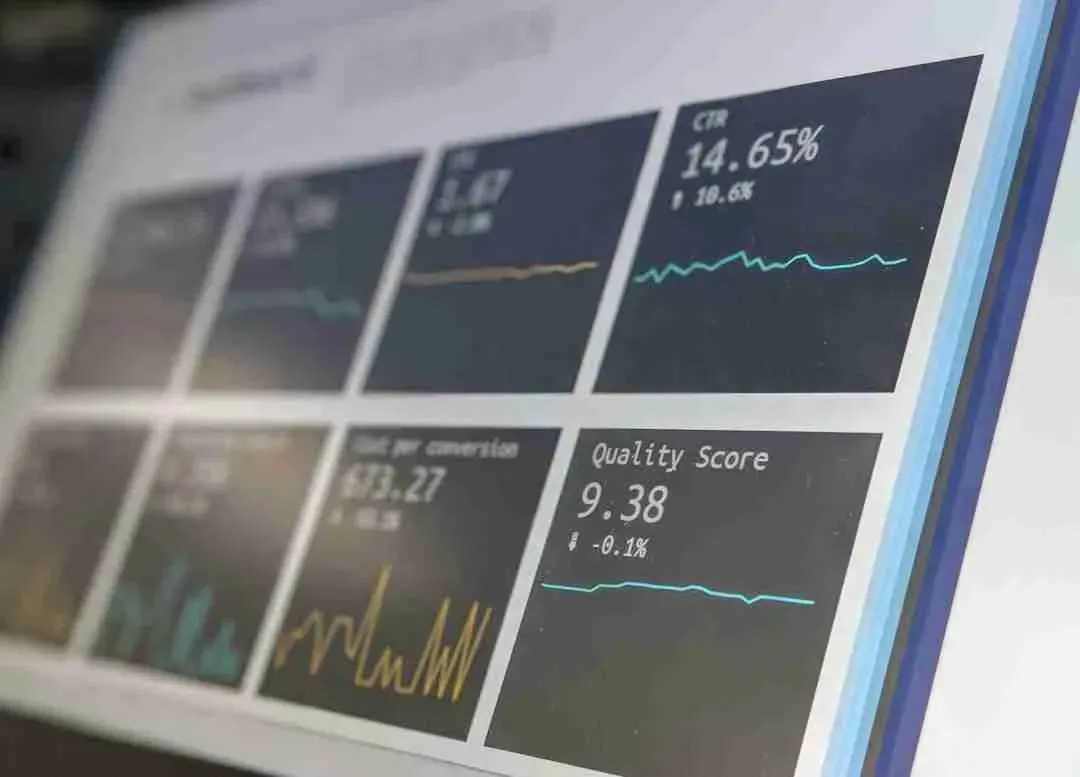
AI has transformed video analytics by providing tools to analyze large volumes of data. This helps marketers understand viewer behavior, engagement metrics, and conversion rates. Real-time analytics from AI can help marketers adjust their video campaigns based on consumer preferences and industry trends. Predictive analytics, using machine learning algorithms, can forecast future trends and outcomes, helping marketers stay ahead of the curve.
Ethical Considerations
Privacy and Data Security
While AI offers many opportunities, it also raises ethical questions and challenges. Privacy and data security are major concerns since AI uses a lot of consumer data to personalize content and targeting. Marketers must be transparent about data collection and use, secure consent when needed, and protect sensitive data from misuse.
Avoiding Bias in AI
AI algorithms can unintentionally reinforce biases or stereotypes if not properly monitored. Marketers must ensure their AI-powered video campaigns are inclusive and respectful of diverse audiences. They should avoid creating content that could be seen as offensive or discriminatory.
Balancing AI and Human Creativity
Maintaining a Human Touch
There is a risk of losing human creativity and intuition by relying too much on automated processes. Marketers should balance using AI technologies to increase efficiency with maintaining a human touch in creating video content and strategies.
Conclusion
AI offers exciting opportunities to improve video marketing strategies, but businesses must consider ethical implications and challenges. By prioritizing transparency, inclusivity, and human creativity alongside AI technologies, companies can fully harness AI’s potential in video marketing while maintaining ethical standards and delivering engaging experiences to their audience.
One related article to How AI is Improving Video Marketing is “The Intersection of SEO, PPC, and Conversion Rate Optimization” which discusses the importance of integrating search engine optimization, pay-per-click advertising, and conversion rate optimization strategies for a successful digital marketing campaign. This article provides valuable insights into how these different elements can work together to drive traffic and improve conversion rates. You can read more about it here.
FAQs
What is AI?
AI, or artificial intelligence, refers to the simulation of human intelligence in machines that are programmed to think and act like humans. This includes tasks such as learning, problem-solving, and decision-making.
How is AI used in video marketing?
AI is used in video marketing to analyze and understand consumer behavior, personalize content, optimize video performance, and automate various tasks such as video editing and captioning.
What are some examples of AI in video marketing?
Some examples of AI in video marketing include personalized video recommendations on streaming platforms, automated video editing tools that use AI to enhance video quality, and AI-powered analytics that provide insights into viewer engagement and behavior.
How does AI improve video marketing?
AI improves video marketing by enabling marketers to create more personalized and targeted content, optimize video performance based on data-driven insights, and automate time-consuming tasks, ultimately leading to better engagement and conversion rates.
What are the benefits of using AI in video marketing?
The benefits of using AI in video marketing include improved audience targeting, increased engagement and conversion rates, enhanced content personalization, and more efficient and effective video production and distribution processes.
Related service: Learn more about Tridigiam’s digital marketing services.
Resources
Need marketing that actually moves the needle?
Tridigiam is a Las Vegas marketing and advertising agency built for regulated and growth-focused businesses. Call (702) 748-7005 or request a consultation.
Want more like this? Browse our free CRO, SEO, and AI search guides.
Frequently asked questions
Does AI-assisted video editing reduce the need for a human video editor?
It speeds up repetitive tasks like captioning, resizing, and generating variations, but creative decisions about story, pacing, and brand tone still benefit from a human editor’s judgment, so AI tends to augment rather than replace that role.
Can AI actually help decide which video content will perform best before it’s published?
AI tools can analyze patterns from past video performance to suggest likely-performing formats or hooks, but this is a prediction based on historical data, not a guarantee of how a specific new video will perform.
What’s the biggest time-saver AI offers for video marketing teams?
Automated captioning and generating multiple format variations, square, vertical, horizontal, from a single source video tend to save the most time, since manual reformatting for each platform used to be a significant production bottleneck.
Need better video creative? If your thumbnails are holding back clicks, see Tridigiam’s YouTube thumbnail design service.

Written and reviewed by Chris Goodman, CEO of Tridigiam
Founder of a Las Vegas marketing agency building AI-visibility and compliance-aware marketing systems for regulated industries — healthcare, addiction treatment, and aesthetics. LinkedIn

Explore knowledge from Chris Goodman, a marketing expert with extensive agency and small business experience, specializing in innovative advertising strategies. Chris has a Bachelor’s in Marketing from RMIT, years working in advertising agencies servicing clients, and years of experience working with small to medium sized businesses operating within regulated industries.