

Quick answer: Connected TV advertising reaches streaming audiences with targeted, measurable video, but in regulated industries it still has to respect privacy and compliance rules around audience data and claims. This guide covers how CTV buying works, targeting and measurement, and the guardrails that keep campaigns defensible.
In the ever-evolving landscape of digital advertising, Connected TV (CTV) advertising has emerged as a powerful tool for marketers aiming to reach their target audiences more effectively. As traditional television continues to decline in viewership, the shift toward connected devices and streaming platforms offers unique opportunities for brand engagement and audience targeting. In this comprehensive guide, we will explore the intricacies of CTV advertising, including its benefits, strategies for implementation, and the emerging trends shaping the future of this dynamic medium. Whether you are new to the concept or looking to refine your CTV marketing strategy, this guide will provide valuable insights to help you navigate this transformative advertising channel.
Key Takeaways
- CTV advertising continues to see strong growth in U.S. ad spend, reflecting its expanding role in marketers’ media mix.
- A large and growing share of U.S. households now have a connected TV device, making CTV a mainstream advertising channel.
- Streaming TV advertising tends to see strong ad completion rates compared to traditional formats.
- The majority of CTV ad spending is shifting toward programmatic buying, emphasizing automation.
- Advertisers often report meaningfully higher brand recall from CTV ads compared to standard digital ads.
- Consumer privacy concerns are influencing CTV strategies, with growing emphasis on data protection.
- Many advertisers plan to increase their CTV ad budgets in the coming years, signaling strong investment in the medium.
Understanding CTV Advertising and Its Benefits
CTV advertising refers to the delivery of advertisements through internet-connected television platforms. Unlike traditional TV ads, which are broadcasted to a broad audience, CTV ads can be precisely targeted to specific demographics, behaviors, and interests. This level of targeting is achieved through sophisticated data analytics and audience segmentation techniques, allowing marketers to reach their ideal consumers more effectively.
One of the most significant benefits of CTV advertising is its ability to reach a growing audience base. The large majority of U.S. households are expected to own a connected TV device by 2026. This widespread adoption provides advertisers with access to a substantial and engaged audience that prefers streaming content over traditional cable television.
Moreover, CTV advertising offers higher engagement rates compared to traditional digital formats. Streaming TV ads tend to see very high completion rates, indicating that viewers are more likely to watch these ads in their entirety. This increased engagement can lead to a higher brand recall and overall effectiveness in reaching marketing objectives.
Implementing a Successful CTV Marketing Strategy
To capitalize on the opportunities that CTV advertising presents, marketers must develop a well-defined CTV marketing strategy. This involves setting clear objectives, understanding the target audience, selecting the right platforms, and leveraging data analytics for campaign optimization.
Firstly, defining clear marketing objectives is crucial. Whether the goal is to increase brand awareness, drive website traffic, or boost sales, having specific objectives will guide the entire campaign. This clarity helps in selecting the appropriate ad formats and targeting options.
Understanding the target audience is another critical component. By utilizing audience segmentation, marketers can tailor their ads to resonate with specific demographics, interests, and viewing habits. Audience segmentation is a core part of how marketers approach CTV, helping improve ad relevance and campaign effectiveness.
Choosing the right platforms is equally important. With numerous streaming services available, such as Hulu, Roku, and Amazon Fire TV, marketers should select platforms that align with their target audience’s viewing preferences. This strategic selection ensures maximum reach and engagement.
Programmatic Advertising in the CTV Space
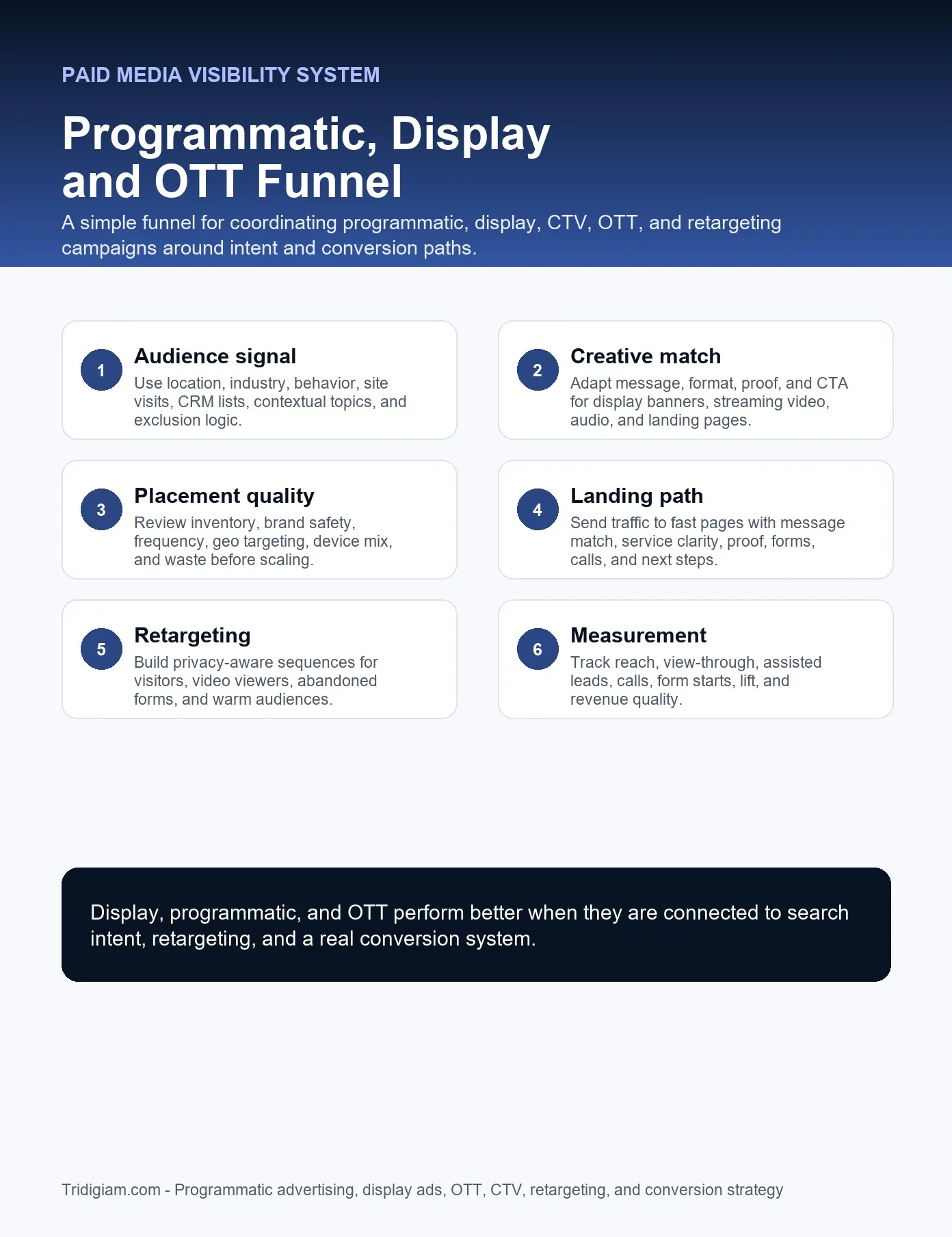
Programmatic advertising has revolutionized the way ads are bought and sold across digital channels, and CTV advertising is no exception. CTV ad spending continues to shift toward programmatic buying, reflecting the broader industry move toward automation. This shift towards automation allows for more efficient and flexible ad placements, enabling marketers to optimize their campaigns in real-time based on performance metrics.
Programmatic CTV advertising offers several advantages, including improved targeting accuracy, cost-efficiency, and scalability. With programmatic buys, marketers can leverage data-driven insights to reach specific audience segments, ensuring that their ads are seen by the most relevant viewers.
The agility of programmatic advertising also allows for quick adjustments in campaign strategies. Marketers can modify ad creatives, budgets, and targeting criteria on-the-fly, responding to changes in audience behavior or market conditions. This responsiveness is particularly valuable in the fast-paced digital landscape, where consumer preferences can shift rapidly.
Addressing Consumer Privacy Concerns
As CTV advertising continues to grow, so do concerns about consumer privacy and data security. With many viewers expressing concerns about data privacy in relation to ad targeting strategies, it is essential for marketers to prioritize transparency and ethical data practices.
One of the primary ways to address these concerns is by obtaining explicit consent from consumers before collecting and using their data for advertising purposes. This approach not only complies with legal requirements but also builds trust with the audience.
Furthermore, marketers should adopt privacy-first strategies, such as implementing data anonymization and encryption techniques. These measures help protect consumer information while still allowing for effective audience targeting.
By prioritizing consumer privacy, marketers can enhance the reputation of their brands and foster long-term relationships with their audience. This approach aligns with the broader industry trend towards more ethical and transparent advertising practices.
Measuring CTV Advertising Success
To evaluate the effectiveness of CTV advertising campaigns, marketers must utilize a variety of metrics and analytics tools. Key performance indicators (KPIs) such as ad completion rates, viewability, click-through rates, and conversion rates provide insights into campaign performance and audience engagement.
Advanced analytics platforms enable marketers to track these KPIs in real-time, offering valuable insights into which ads are resonating with viewers and which need optimization. This data-driven approach allows for continuous improvement and refinement of CTV marketing strategies.
Additionally, brand recall surveys can be conducted to assess the impact of CTV ads on consumer awareness and perception. Advertisers have observed meaningfully higher brand recall when using CTV ads compared to standard digital ads. This metric underscores the effectiveness of CTV advertising in driving brand awareness.
The Future of CTV Advertising
As we look towards the future, the growth trajectory of CTV advertising shows no signs of slowing down. With many advertisers planning to increase their CTV ad budgets in the coming years, it is clear that CTV will continue to play a central role in digital marketing strategies.
Emerging technologies, such as artificial intelligence and machine learning, are expected to further enhance the capabilities of CTV advertising. These technologies will enable even more precise targeting, personalized ad experiences, and predictive analytics, making CTV an indispensable tool for marketers.
Furthermore, as the CTV landscape evolves, we can anticipate even greater integration of programmatic technologies, leading to more efficient ad buying and selling processes. This evolution will provide marketers with more opportunities to reach their audiences effectively and maximize their return on investment.
Conclusion
Connected TV advertising presents a unique and effective way for marketers to reach their audiences in the digital age. With its ability to deliver targeted, engaging, and high-impact ads, CTV has become an essential component of a comprehensive marketing strategy. As the medium continues to evolve, marketers must stay informed about emerging trends, privacy concerns, and technological advancements to remain competitive.
By leveraging the insights and strategies outlined in this guide, marketers can harness the full potential of CTV advertising to achieve their objectives and drive meaningful results. For more information on how to optimize your digital marketing efforts, contact Tridigiam, a leading digital marketing agency with expertise in regulated industries.
FAQs
What is CTV advertising?
CTV advertising refers to the delivery of advertisements through internet-connected television platforms. It allows marketers to target specific demographics and interests with high precision, as opposed to traditional broadcast TV ads.
How does CTV advertising differ from traditional TV advertising?
Unlike traditional TV advertising, which broadcasts ads to a broad audience, CTV advertising utilizes data analytics to target specific audiences based on demographics, interests, and viewing habits. This results in more relevant and effective ad placements.
What are the benefits of CTV advertising?
CTV advertising offers several benefits, including increased engagement rates, precise targeting, and higher brand recall. It also allows for agile and responsive advertising strategies, enabling marketers to optimize campaigns based on real-time metrics.
What is programmatic CTV advertising?
Programmatic CTV advertising involves the automated buying and selling of ads through digital platforms. It uses data-driven insights to optimize ad placements and reach specific audience segments efficiently.
How can marketers address consumer privacy concerns in CTV advertising?
Marketers can address consumer privacy concerns by obtaining explicit consent before collecting data, implementing data anonymization and encryption techniques, and prioritizing transparency in their advertising practices. These measures help build trust with the audience and ensure compliance with legal requirements.
Related Reading
Related service: Learn more about Tridigiam’s creative advertising services.
Need marketing that actually moves the needle?
Tridigiam is a Las Vegas marketing and advertising agency built for regulated and growth-focused businesses. Call (702) 748-7005 or request a consultation.
Frequently asked questions
What is CTV advertising?
CTV, or connected TV, advertising refers to ads shown on internet-connected televisions through streaming apps and smart TV platforms, combining TV-like video quality with digital targeting.
How does CTV differ from OTT?
CTV specifically refers to the television screen or device itself, while OTT is the broader category of any streaming content delivery, including mobile and desktop; CTV is essentially a subset of OTT.
What compliance considerations apply to CTV ads in regulated industries?
The same privacy and claims-substantiation rules that apply to other digital advertising apply to CTV, including avoiding condition-based targeting and following platform-specific healthcare ad policies.
Want more like this? Browse our free CRO, SEO, and AI search guides.

Written and reviewed by Chris Goodman, CEO of Tridigiam
Founder of a Las Vegas marketing agency building AI-visibility and compliance-aware marketing systems for regulated industries — healthcare, addiction treatment, and aesthetics. LinkedIn

Explore knowledge from Chris Goodman, a marketing expert with extensive agency and small business experience, specializing in innovative advertising strategies. Chris has a Bachelor’s in Marketing from RMIT, years working in advertising agencies servicing clients, and years of experience working with small to medium sized businesses operating within regulated industries.