

Quick answer: Dental marketing fills the appointment book by combining local SEO, Google Business Profile optimization, paid search, and reputation management so nearby patients find and choose the practice. Reviews and before-and-after imagery must stay truthful and within FTC and state dental-board rules, and any patient data should be handled under HIPAA.
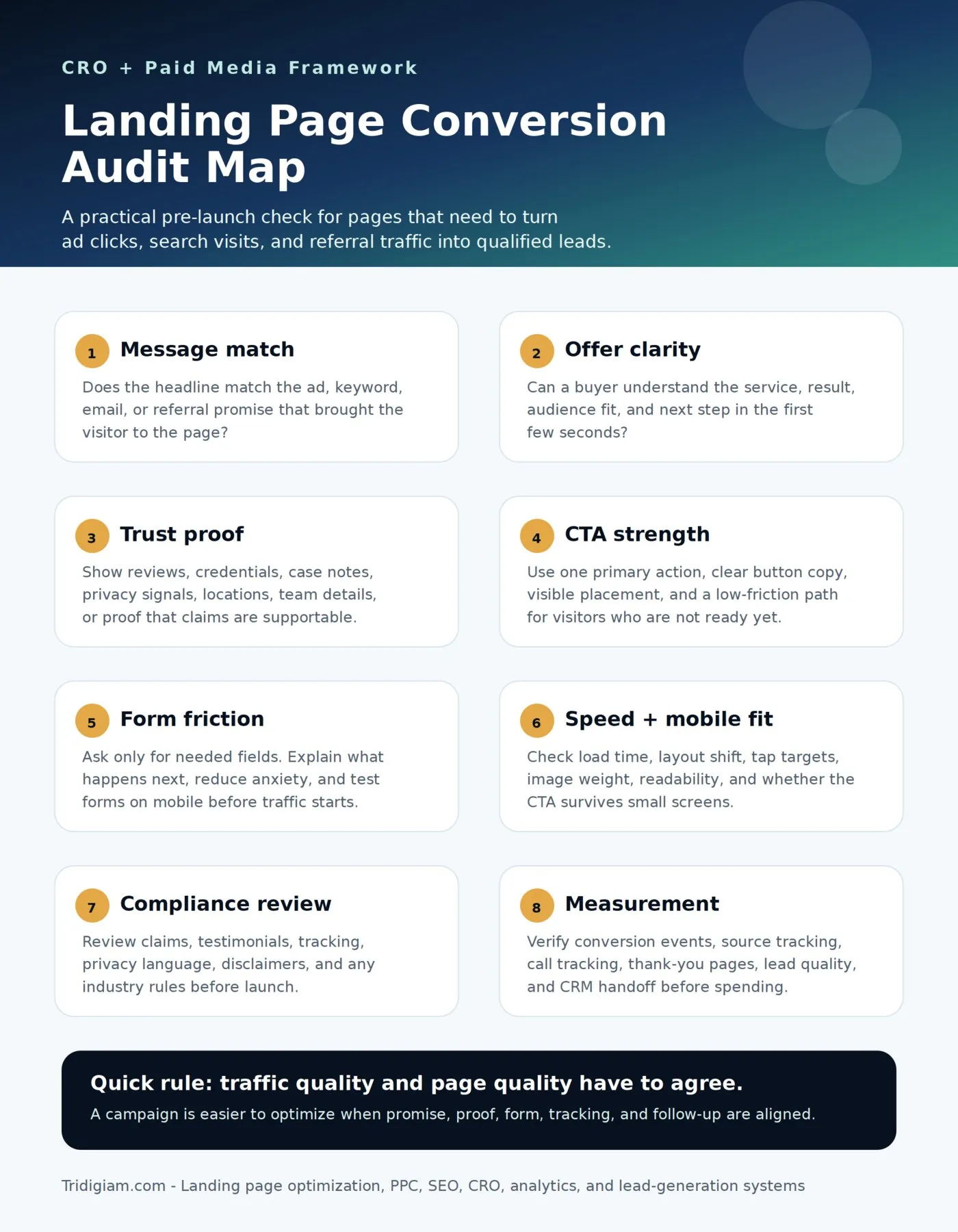
Dental marketing SEO and PPC answer map
Dental marketing fills the appointment book when local SEO, Google Business Profile optimization, reputation management, paid search, and compliant patient education work together. The best strategy separates emergency, cosmetic, preventive, implant, orthodontic, and insurance-related demand, then connects each search intent to a trustworthy page, clear offer, and easy scheduling path.
- Local SEO: optimize Google Business Profile, location pages, service pages, reviews, NAP consistency, and local links for the searches patients actually use.
- PPC: use paid search for high-intent services, urgent appointment demand, competitive local terms, and campaigns where tracking can prove patient acquisition cost.
- Reputation: build review volume, recency, quality, and response habits while avoiding misleading or incentivized review practices.
- Compliance: keep dental ads truthful, avoid unsupported claims, respect patient privacy, and review state/federal advertising requirements.
- Conversion path: match each campaign to a fast scheduling option, phone number, insurance/payment clarity, service proof, and follow-up process.
Useful source anchors include Google Business Profile guidance on local ranking, Google Ads Healthcare and medicines policy, Google Search Central guidance on helpful, reliable, people-first content, Google Search Central’s SEO Starter Guide, the American Dental Association’s guidance on marketing and advertising, and FDI World Dental Federation guidance on advertising in dentistry. Tridigiam connects this topic to healthcare digital marketing, healthcare marketing cost, local SEO and PPC strategy, increasing website rankings on Google, and schema markup for technical SEO.
Questions to answer before launching dental SEO or PPC campaigns
Which appointment types are worth prioritizing first?
Separate emergency dentistry, hygiene, implants, cosmetic dentistry, orthodontics, pediatric care, sedation, and insurance-driven searches by margin, availability, urgency, and patient lifetime value. Marketing should fill the right chair time, not just generate any lead.
Can patients trust the practice before they call?
Review whether the landing page shows location, providers, credentials, reviews, accepted insurance or payment options, service details, accessibility, and a clear scheduling path. Dental patients often need reassurance before converting, especially for expensive or anxiety-producing procedures.
Are claims, reviews, photos, and targeting compliant?
Check before-and-after photos, testimonials, savings claims, specialist language, guarantees, financing language, and remarketing audiences. Dental marketing should be persuasive, but it still needs to be truthful, privacy-aware, and aligned with professional advertising rules.
When it comes to attracting new patients, dental practices face a unique set of challenges. As the digital landscape continues to evolve, the importance of having a robust dental marketing strategy becomes increasingly vital. By leveraging both SEO and PPC strategies, dental practices can effectively fill their appointment books and stay competitive in a crowded marketplace. This comprehensive guide delves into the current trends, statistics, and best practices for dental marketing, offering expert insights tailored specifically for dentists seeking growth.
Key Takeaways
- Dental marketing is seeing a rapid annual growth, emphasizing the need for digital strategies.
- SEO for dental practices can significantly increase conversion rates compared to traditional methods.
- Investing in PPC ads offers substantial ROI, particularly for local searches.
- Online reputation management is crucial due to the influence of online reviews.
- Local SEO is vital, as many searches are conducted with local intent.
- Mobile optimization is imperative given the high percentage of mobile searches.
The Growing Importance of Dental Marketing
Dental marketing is projected to grow by 14.8% annually from 2025 to 2030, according to industry reports. This growth highlights the increasing importance of implementing effective digital strategies such as SEO and PPC. As the dental industry becomes more competitive, practices that adopt these strategies can expect to see a significant increase in new patient acquisition.
With approximately 77% of patients searching online for health-related information, including dental services, having a strong online presence is essential. SEO and PPC not only enhance visibility but also help build trust and credibility with potential patients.
The statistics speak for themselves: SEO can generate a 14.6% conversion rate for dental practices, significantly higher than the 1.7% conversion rate of traditional outbound methods. This demonstrates the power of SEO in attracting and converting potential patients.
Understanding Dental SEO
Dental SEO focuses on optimizing a dental practice’s website and online content to rank higher in search engine results for relevant keywords. This includes optimizing for keywords like “dentist near me” and “dental services in [location],” which are crucial for attracting local patients.
Despite the benefits, only 50% of dental practices actively implement SEO, leaving a significant opportunity for those who do. By optimizing their websites and content, dental practices can improve their rankings and attract more patients.
Key components of dental SEO include on-page optimization, such as using relevant keywords in titles and meta descriptions, and off-page strategies like building quality backlinks. Consistent content updates and local SEO tactics, such as optimizing Google My Business profiles, are also essential.
The Role of PPC in Dental Marketing
PPC for dentists involves creating targeted ads that appear at the top of search engine results pages. These ads can be highly effective in driving traffic and converting potential patients, especially when targeting local search terms.
The average cost per click (CPC) for dental PPC ads is approximately $3.79, but the investment can yield an ROI of up to 200%. By carefully selecting keywords and crafting compelling ad copies, dental practices can maximize their PPC efforts.
PPC campaigns should be continuously monitored and optimized to ensure they are delivering the best results. This includes A/B testing ad copies, adjusting bids, and analyzing performance data to refine strategies.
Maximizing Local SEO Strategies
Local SEO is a critical component of dental marketing, as keywords with local intent account for over 46% of Google search queries. Focusing on local SEO helps dental practices connect with patients in their immediate vicinity.
Optimizing for local SEO involves claiming and optimizing your Google My Business listing, encouraging patient reviews, and ensuring consistent NAP (Name, Address, Phone Number) information across all online platforms.
Additionally, creating localized content that addresses the specific needs and concerns of your community can further boost your local SEO efforts. Engaging with local events and partnerships can also enhance your practice’s local visibility.
Importance of Mobile Optimization
With mobile search accounting for over 60% of all Google searches, optimizing dental marketing strategies for mobile users is crucial. A mobile-friendly website ensures that potential patients can easily access information and schedule appointments from their devices.
Key aspects of mobile optimization include responsive web design, fast loading times, and easy navigation. Ensuring that contact information and call-to-action buttons are easily accessible on mobile devices can significantly enhance user experience.
Considering that 78% of mobile searches result in an offline purchase, dental practices that prioritize mobile optimization can effectively drive foot traffic to their offices.
The Impact of Online Reviews on Dental Marketing
One-third of dental patients select a dentist based on online reviews, making reputation management a critical component of dental marketing. Positive reviews build trust and credibility, influencing potential patients’ decision-making processes.
Encouraging satisfied patients to leave reviews and promptly addressing any negative feedback can enhance your online reputation. Using review management tools can help streamline this process and ensure a consistent flow of positive feedback.
In addition to Google reviews, maintaining a strong presence on other review platforms like Yelp and Healthgrades can further bolster your online reputation.
Conclusion
Implementing effective SEO and PPC strategies is essential for dental practices looking to attract new patients and grow in a competitive environment. By focusing on local and mobile optimization, leveraging online reviews, and continuously refining marketing strategies, dental practices can enhance their visibility and fill their appointment books.
At Tridigiam, we specialize in crafting tailored digital marketing solutions for dental practices. Contact us today to learn how we can help you implement successful dental marketing strategies that drive results.
FAQ
How can SEO benefit my dental practice?
SEO can increase your online visibility, attract more potential patients, and improve your conversion rates, ultimately leading to more appointments and growth for your practice.
What makes PPC effective for dentists?
PPC ads provide immediate visibility and can target specific demographics and local searches, offering a high ROI when managed effectively.
Why is local SEO important for dental practices?
Local SEO helps your practice appear in search results for patients in your area, increasing the likelihood of attracting new local patients.
How do I optimize my dental practice for mobile users?
Ensure your website is mobile-friendly with a responsive design, fast loading times, accessible contact information, and easy navigation.
How can I manage my online reputation effectively?
Encourage positive reviews from satisfied patients, respond to feedback promptly, and use review management tools to maintain a strong online presence.
Related Reading
Related service: Learn more about Tridigiam’s search engine marketing services.
Resources
Need marketing that actually moves the needle?
Tridigiam is a Las Vegas marketing and advertising agency built for regulated and growth-focused businesses. Call (702) 748-7005 or request a consultation.
Frequently asked questions
What’s the fastest way for a dental practice to get more new-patient calls?
A fully optimized Google Business Profile paired with local SEO and a modest Google Ads budget targeting appointment-intent keywords tends to produce the quickest results, since most patients search for a nearby dentist right before booking.
Are before-and-after photos allowed in dental marketing?
They can be used, but only with documented patient consent and language that avoids implying guaranteed results, since state dental boards and the FTC both regulate how outcomes are portrayed in advertising.
How does HIPAA affect a dental practice’s marketing?
Any patient information used in testimonials, remarketing, or analytics needs to be handled under HIPAA rules, which means tracking pixels and ad platforms need to be configured to avoid capturing protected health information.
Want more like this? Browse our free CRO, SEO, and AI search guides.

Written and reviewed by Chris Goodman, CEO of Tridigiam
Founder of a Las Vegas marketing agency building AI-visibility and compliance-aware marketing systems for regulated industries — healthcare, addiction treatment, and aesthetics. LinkedIn

Explore knowledge from Chris Goodman, a marketing expert with extensive agency and small business experience, specializing in innovative advertising strategies. Chris has a Bachelor’s in Marketing from RMIT, years working in advertising agencies servicing clients, and years of experience working with small to medium sized businesses operating within regulated industries.