

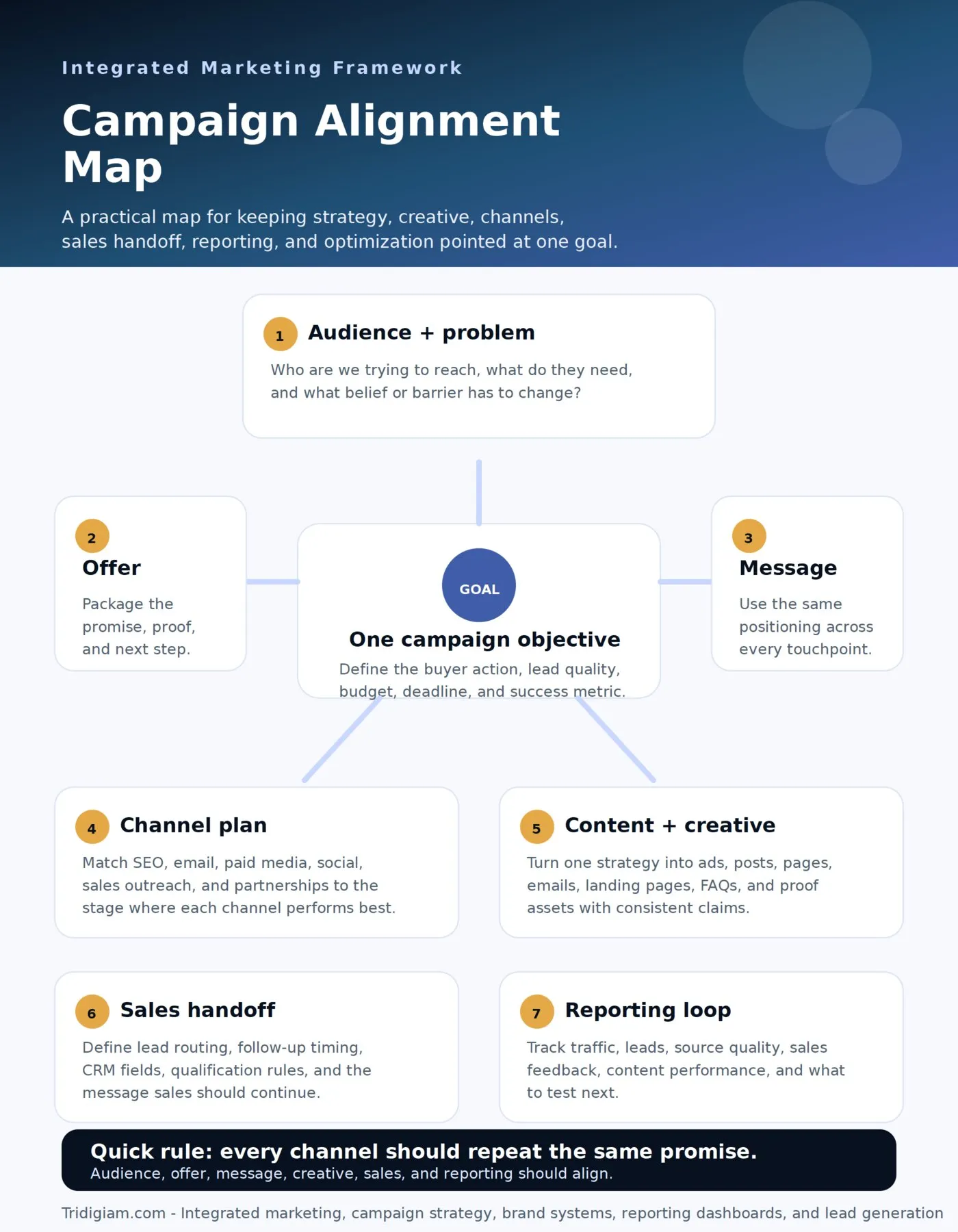
Quick answer: Cross-platform social marketing coordinates your presence across networks so the message stays consistent while the format fits each platform. Coordination beats posting the same thing everywhere. This covers managing multiple social channels well.
KEY TAKEAWAYS
- Cross-platform marketing involves synchronizing marketing efforts across different social networks and digital channels.
- Organic social media marketing is essential as it helps build brand awareness and engagement without paid advertising.
- Paid social media advertising allows for targeted and measurable campaigns, enhancing visibility and conversion rates.
- A strong content strategy ensures consistent messaging and value across channels.
- Consistent brand management maintains brand identity and reputation across all platforms.
Organic Social Media Marketing
Organic social media marketing involves promoting a brand or product without paid advertisements, through content creation, follower engagement, and community building. It is vital for cross-platform marketing because it allows companies to establish a presence across various channels and interact with their audience authentically. This approach can enhance brand loyalty and customer retention by fostering credibility and trust through valuable content.Tips for Effective Organic Social Media Content:
- Know Your Audience: Understand your target audience's demographics, interests, and preferences through market research to tailor your content effectively.
- Be Consistent: Maintain a consistent brand voice and aesthetic across all platforms with a regular posting schedule.
- Offer Value: Provide insightful and timely content to capture and retain your audience's attention, such as engaging videos, informative articles, or behind-the-scenes looks at your company.
Paid Social Media Advertising
Paid social media advertising promotes a brand or product through paid advertisements, such as display ads, video ads, and sponsored posts. It is essential in cross-platform marketing for several reasons, including increased brand visibility and targeted reach.Tips for Effective Paid Social Media Ads:
- Establish Clear Goals: Define your objectives, such as generating leads, boosting brand awareness, or increasing website traffic, before creating paid ads.
- Use Eye-catching Visuals: Utilize high-quality, visually appealing images and videos relevant to your brand or product to capture users' attention.
- Test and Optimize: Continuously monitor ad performance and make necessary adjustments to maximize effectiveness and ROI.
Content Strategy
A robust content strategy is crucial in cross-platform marketing to ensure coherent and consistent messaging. It involves creating and curating content that resonates with your target audience and aligns with your brand's goals.Tips for Developing a Unified Content Strategy:
- Establish Your Brand's Voice and Tone: Maintain a consistent voice and tone across all platforms, whether it's informal and conversational or formal and professional.
- Repurpose Content: Adapt existing content for different platforms to ensure consistent messaging and save time and resources.
- Plan Ahead: Create a content calendar to organize your content in advance, ensuring timely and relevant messaging.
Brand Management
Consistent brand management across all platforms and touchpoints is essential for building consumer trust and brand recognition.Tips for Maintaining Consistent Branding:
- Employ Consistent Visuals: Use the same logos, colors, and fonts across all platforms to create a unified brand identity.
- Keep Your Brand Voice Constant: Ensure your brand sounds the same on all media to gain the audience's trust and credibility.
- Actively Monitor and Respond: Track comments and feedback on social media sites, responding promptly and professionally to demonstrate commitment to customer service and value their opinions.
Audience Targeting
Identifying and targeting your audience effectively is crucial for cross-platform marketing.Tips for Effective Audience Targeting:
- Conduct Market Research: Gather data on your target audience's characteristics, preferences, and interests through surveys, interviews, and data analysis.
- Use Social Media Analytics: Leverage the insights and analytics provided by social media platforms to understand your audience better and guide your targeting strategy.
- Develop Buyer Personas: Create detailed profiles of your ideal customers to tailor your messaging and content to their needs and preferences.
Data Analysis
Data analysis is vital for tracking campaign performance and making data-driven decisions to optimize marketing efforts.Metrics to Monitor in Cross-Platform Marketing:
- Impressions and Reach: Measure the total number of views and unique users who have seen your content.
- Engagement: Track likes, comments, and shares to gauge interest and interaction with your content.
- Conversion Rates: Monitor how many people complete desired actions, such as purchases or newsletter subscriptions.
Tips for Improving Campaigns Based on Data Analysis:
- Regularly Monitor and Analyze Data: Identify trends and opportunities for improvement through consistent data examination.
- A/B Testing: Compare different versions of content or ads to determine the most effective strategies.
- Iterate and Refine: Continuously enhance your campaigns based on insights from data analysis and A/B testing.
Influencer Marketing
Collaborating with social media influencers can significantly boost brand visibility and credibility. Influencers have a large, engaged following, and their endorsements can drive sales and brand awareness.Tips for Effective Influencer Collaborations:
- Define Clear Goals: Establish specific objectives for influencer partnerships, such as raising brand awareness or increasing sales.
- Research and Screen Influencers: Ensure potential influencers align with your brand values and target audience.
- Set Clear Expectations: Communicate goals, expected deliverables, and guidelines to ensure a successful collaboration.
Video Marketing
Video content is a powerful tool for engaging audiences and evoking emotions. Successful cross-platform video marketing campaigns, such as Old Spice's "The Man Your Man Could Smell Like" and Dove's "Real Beauty Sketches," have demonstrated the effectiveness of this approach.Tips for Effective Video Content:
- Keep It Short and Engaging: Aim for concise videos, ideally under two minutes, to maintain viewers' attention.
- Utilize Storytelling: Employ storytelling techniques to create compelling narratives that captivate and resonate with your audience.
- Optimize for Each Platform: Tailor your videos to meet the specifications and requirements of each social media platform for optimal display and impact.
Future Trends in Cross-Platform Marketing
Staying ahead of emerging trends is essential for maintaining a competitive edge in digital marketing. Key trends include personalized marketing, voice search optimization, and the use of augmented and virtual reality.Predictions for the Future of Digital Marketing:
- Increased Emphasis on Data Security and Privacy: As concerns about data privacy grow, businesses must prioritize transparency and accountability in data collection and use.
- Integration of AI and Machine Learning: These technologies will become increasingly important for automating and optimizing marketing campaigns.
- Growth of Mobile Marketing: With the rise of mobile devices, optimizing content and websites for mobile users will become even more critical.
Conclusion
In conclusion, cross-platform marketing is vital in the current digital landscape. By coordinating efforts across various platforms, businesses can reach a broader audience, enhance brand awareness, and maximize campaign impact. Understanding the importance of organic and paid social media marketing, content strategy, brand management, data analysis, and emerging trends will enable businesses to navigate the complexities of cross-platform marketing effectively and achieve their marketing goals. If you're interested in learning more about coordinating cross-platform marketing strategies, you may also find this article on building brand loyalty through social media by Tridigiam insightful. It explores the importance of engaging with your audience across different social networks to foster brand loyalty and increase customer retention. Check it out at Tridigiam.com/digital-marketing/social-media-marketing/. Additionally, Tridigiam offers another valuable resource on effective community management and keeping your followers engaged. Discover practical tips and strategies to maintain an active and thriving online community here. Lastly, if you're interested in staying up-to-date with the latest trends and evolution of organic social media marketing, this article by Tridigiam provides key insights and actionable advice. Read it here.| Marketing Area | Key Tips |
|---|---|
| Organic Social Media | Know your audience through research, stay consistent in voice and posting schedule, and offer real value like videos or behind-the-scenes content. |
| Paid Social Media Advertising | Establish clear goals before creating ads, use eye-catching visuals, and continuously test and optimize for ROI. |
| Content Strategy | Establish a consistent brand voice and tone, repurpose content across platforms, and plan ahead with a content calendar. |
| Brand Management | Use consistent visuals and voice across all platforms, and actively monitor and respond to comments and feedback. |
FAQs
What is cross-platform marketing?
Cross-platform marketing refers to the practice of promoting a product or service across multiple social media platforms simultaneously.Why is cross-platform marketing important?
Cross-platform marketing is important because it allows businesses to reach a wider audience and increase their brand awareness. It also helps to create a consistent brand message across different social media platforms.What are the benefits of cross-platform marketing?
The benefits of cross-platform marketing include increased brand awareness, improved customer engagement, higher conversion rates, and better ROI.What are the challenges of cross-platform marketing?
The challenges of cross-platform marketing include the need for a consistent brand message across different platforms, the need for a clear understanding of each platform's audience, and the need for a coordinated marketing strategy.What are some examples of cross-platform marketing?
Examples of cross-platform marketing include using social media platforms like Facebook, Twitter, and Instagram to promote a product or service, using email marketing to drive traffic to a website, and using influencer marketing to reach a wider audience.How can businesses coordinate their cross-platform marketing efforts?
Businesses can coordinate their cross-platform marketing efforts by creating a clear marketing strategy, using a social media management tool to manage multiple platforms, and regularly analyzing their marketing data to make informed decisions.Related service: Learn more about Tridigiam's digital marketing services.
Need marketing that actually moves the needle?
Tridigiam is a Las Vegas marketing and advertising agency built for regulated and growth-focused businesses. Call (702) 748-7005 or request a consultation.
Want more like this? Browse our free CRO, SEO, and AI search guides.
Frequently asked questions
What does cross-platform social media coordination mean?
It means keeping your core message and brand voice consistent across every network you're active on, while adapting the format, tone, and length to fit what actually works on each specific platform.
Should I post the exact same content on every social platform?
No. Posting identical content everywhere ignores how differently each platform's audience consumes content. A message that works as a long LinkedIn post rarely translates well as-is to a short-form video app.
What's the benefit of coordinating across social channels?
A coordinated approach reinforces the same core message everywhere a customer might encounter your brand, building recognition and trust, while still respecting each platform's native format and audience expectations.

Written and reviewed by Chris Goodman, CEO of Tridigiam
Founder of a Las Vegas marketing agency building AI-visibility and compliance-aware marketing systems for regulated industries — healthcare, addiction treatment, and aesthetics. LinkedIn

Explore knowledge from Chris Goodman, a marketing expert with extensive agency and small business experience, specializing in innovative advertising strategies. Chris has a Bachelor’s in Marketing from RMIT, years working in advertising agencies servicing clients, and years of experience working with small to medium sized businesses operating within regulated industries.