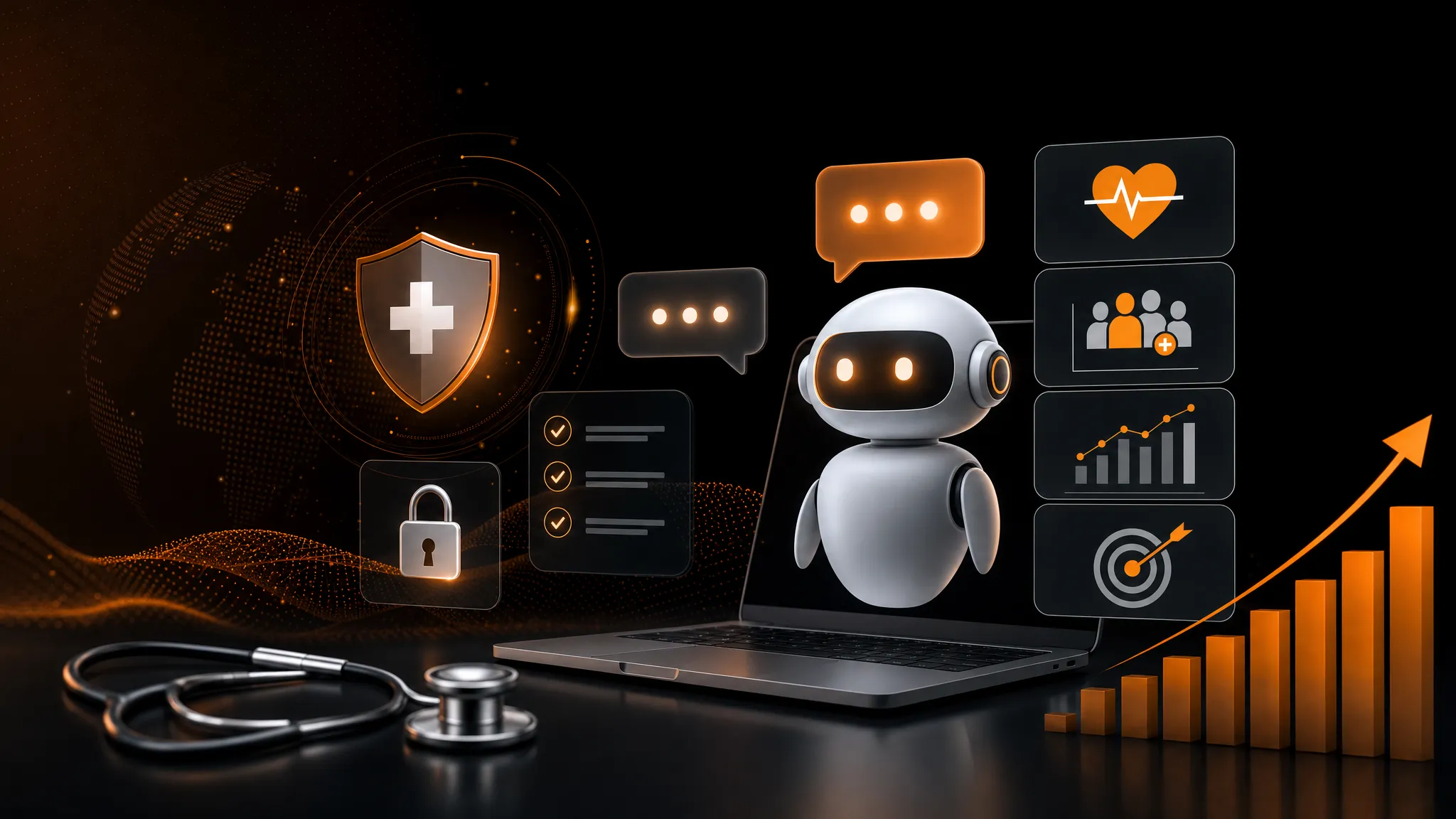
Quick answer: AI chatbots can improve healthcare marketing by answering questions, qualifying leads, and easing intake, but only if configured to protect PHI: a signed BAA, no patient data sent to non-compliant models, clear disclosures, and human handoff for clinical questions. Used carefully, they raise engagement without creating a compliance gap.
In the ever-evolving landscape of healthcare marketing, AI chatbots have emerged as a transformative tool, offering unprecedented opportunities for enhancing patient engagement and streamlining communication. As the healthcare sector becomes increasingly digitized, the role of AI chatbots in healthcare marketing is expanding, with compliance, use cases, and return on investment (ROI) being key areas of focus. This article explores how AI chatbots are reshaping healthcare marketing strategies, the importance of adhering to compliance standards such as HIPAA, and the tangible benefits they bring to healthcare organizations.
Key Takeaways
- Healthcare organizations are increasingly utilizing AI chatbots to enhance patient interactions and operational efficiency.
- Compliance with HIPAA is essential when implementing AI chatbots in healthcare marketing.
- AI chatbots can meaningfully reduce appointment scheduling costs and drive significant operational savings.
- Healthcare chatbots contribute to a meaningful reduction in unnecessary ER visits, improving resource allocation.
- AI chatbots can meaningfully increase patient engagement rates, leading to better health outcomes.
- The global market for AI in healthcare is projected to reach $67.4 billion by 2027, with significant contributions from medical AI assistants.
The Role of AI Chatbots in Healthcare Marketing
AI chatbots are revolutionizing healthcare marketing by providing a seamless interface for patient interaction. These chatbots are designed to simulate human conversation, allowing patients to engage with healthcare providers through automated yet personalized communication. The primary keyword, “AI chatbots healthcare marketing,” underscores their pivotal role in enhancing patient experiences and optimizing marketing strategies.
AI chatbots are increasingly being deployed to handle a variety of tasks, from scheduling appointments to answering common medical queries. This not only improves patient satisfaction but also frees up valuable time for healthcare professionals, enabling them to focus on more complex tasks. Organizations across industries are increasingly investing in AI chatbots for customer service, highlighting the growing reliance on technology to streamline operations and improve patient engagement.
Compliance with HIPAA: A Critical Consideration
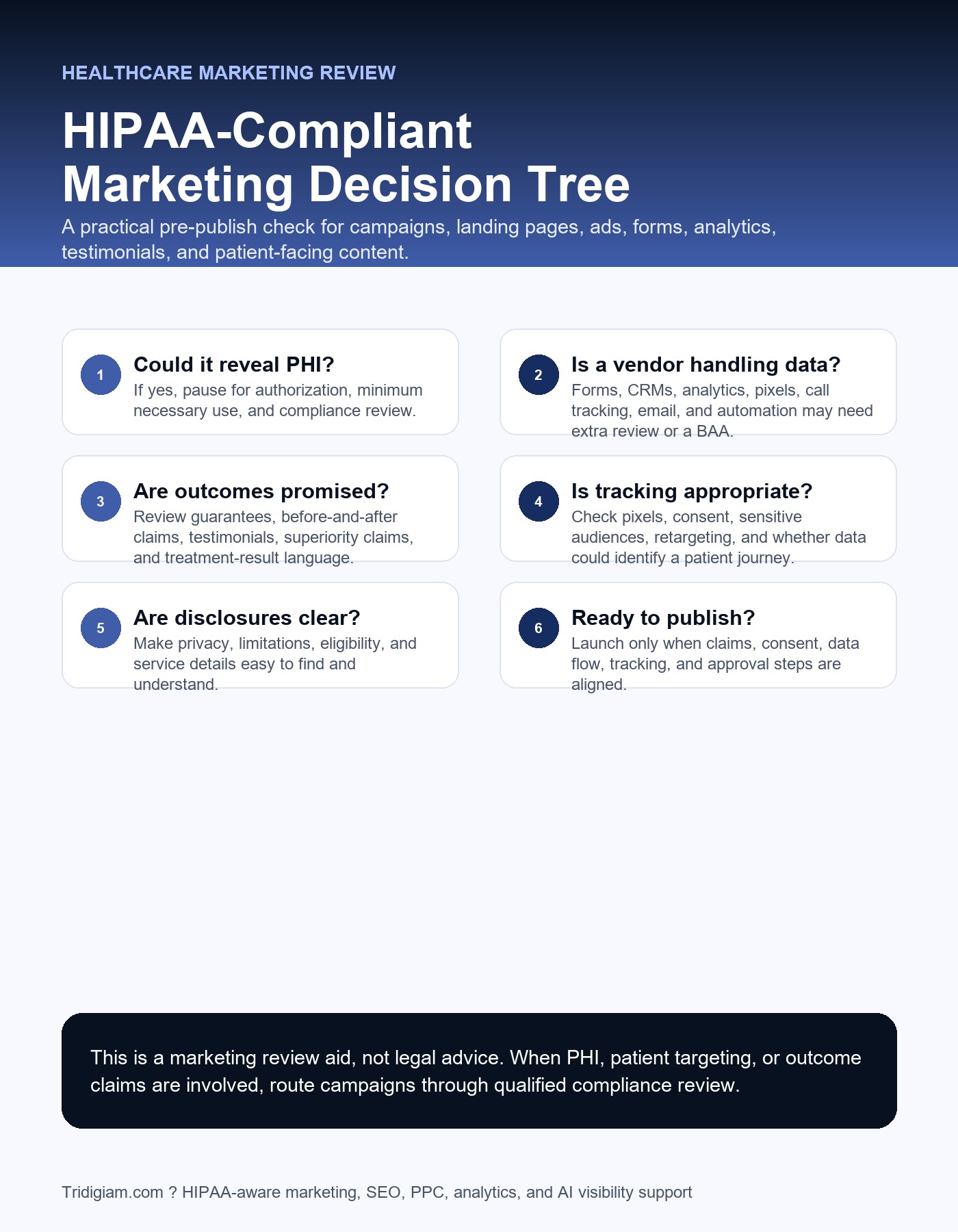
Incorporating AI chatbots into healthcare marketing strategies necessitates strict adherence to compliance regulations, particularly the Health Insurance Portability and Accountability Act (HIPAA). Compliance is non-negotiable, as AI chatbots often handle sensitive patient information, requiring robust security measures to protect data privacy.
Healthcare organizations must ensure that their AI chatbot solutions are designed with HIPAA compliance in mind. This involves implementing encryption, secure data storage, and access controls to prevent unauthorized data breaches. Additionally, organizations must regularly audit their systems to ensure ongoing compliance and address any vulnerabilities. Compliance remains a top concern for healthcare marketers, many of whom express concern over maintaining patient privacy while utilizing AI chatbots.
Use Case
What It Does
Appointment Scheduling
Lets patients schedule, reschedule, or cancel appointments through a chat interface, reducing administrative burden
Patient Education
Answers frequently asked questions and provides health information so patients can make informed decisions
Medication Reminders
Sends timely reminders about medication schedules to support treatment adherence
Symptom Checking and Triage
Helps patients identify symptoms and determine the appropriate level of care
Feedback Collection
Gathers patient feedback to help providers identify areas for improvement
| Use Case | What It Does |
|---|---|
| Appointment Scheduling | Lets patients schedule, reschedule, or cancel appointments through a chat interface, reducing administrative burden |
| Patient Education | Answers frequently asked questions and provides health information so patients can make informed decisions |
| Medication Reminders | Sends timely reminders about medication schedules to support treatment adherence |
| Symptom Checking and Triage | Helps patients identify symptoms and determine the appropriate level of care |
| Feedback Collection | Gathers patient feedback to help providers identify areas for improvement |
Use Cases of AI Chatbots in Healthcare Marketing
AI chatbots offer a myriad of applications within healthcare marketing, each designed to enhance patient experiences and improve operational efficiencies. Some notable use cases include:
- Appointment Scheduling: AI chatbots streamline the appointment booking process by allowing patients to schedule, reschedule, or cancel appointments through a simple chat interface. This reduces administrative burdens and enhances patient convenience, ultimately leading to improved patient satisfaction.
- Patient Education: Chatbots serve as an educational resource, providing patients with important health information and answering frequently asked questions. This empowers patients to make informed decisions about their health and fosters a proactive approach to healthcare.
- Medication Reminders: AI chatbots can send timely reminders to patients regarding their medication schedules, promoting adherence to treatment plans and improving health outcomes.
- Symptom Checking and Triage: Chatbots assist patients in identifying symptoms and determining the appropriate level of care. This use case has led to a meaningful reduction in unnecessary ER visits, optimizing healthcare resource allocation.
- Feedback Collection: AI chatbots facilitate the collection of patient feedback, enabling healthcare providers to gain valuable insights into patient experiences and identify areas for improvement.
ROI of Implementing AI Chatbots in Healthcare
The return on investment (ROI) from implementing AI chatbots in healthcare is substantial, with significant cost savings and operational efficiencies being realized. The automation of routine tasks through chatbots leads to reduced personnel costs, allowing healthcare organizations to allocate resources more effectively.
Healthcare chatbots are increasingly recognized for their potential to drive significant cost savings, underscoring their impact on financial performance. Additionally, chatbots can meaningfully reduce appointment scheduling costs, further contributing to a healthcare organization’s bottom line. These cost savings, coupled with enhanced patient engagement and satisfaction, make AI chatbots a valuable investment for healthcare marketers.
Enhancing Patient Engagement with AI Chatbots
Patient engagement is a critical component of successful healthcare marketing, and AI chatbots play a pivotal role in enhancing this engagement. By providing personalized communication and timely responses, chatbots foster a sense of connection and trust between patients and healthcare providers.
Personalized patient communication through chatbots tends to meaningfully increase engagement rates. This heightened engagement leads to better adherence to treatment plans and improved health outcomes. Patients increasingly appreciate the convenience and accessibility of chatbot interactions over traditional methods like phone calls.
The Future of AI Chatbots in Healthcare Marketing
As the healthcare industry continues to embrace digital transformation, the future of AI chatbots in healthcare marketing looks promising. The global market for AI in healthcare is anticipated to reach $67.4 billion by 2027, with medical AI assistants playing a pivotal role in this growth.
Advancements in natural language processing and machine learning will further enhance the capabilities of AI chatbots, enabling them to provide even more sophisticated and personalized patient interactions. As healthcare organizations adopt these technologies, they will be better positioned to meet the evolving expectations of patients and deliver superior healthcare experiences.
Conclusion
AI chatbots are revolutionizing healthcare marketing by offering innovative solutions for patient engagement, operational efficiency, and compliance with regulations. As technology continues to advance, healthcare organizations must embrace AI chatbots to remain competitive and meet the changing needs of patients. By partnering with experts like Tridigiam, healthcare providers can effectively implement AI chatbot solutions that enhance marketing strategies and deliver measurable ROI.
FAQ Section
What are the primary benefits of using AI chatbots in healthcare marketing?
AI chatbots offer numerous benefits, including improved patient engagement, reduced administrative costs, enhanced operational efficiencies, and compliance with HIPAA regulations. They provide personalized communication, streamline appointment scheduling, and optimize resource allocation.
How do AI chatbots ensure compliance with HIPAA regulations?
AI chatbots ensure HIPAA compliance by incorporating encryption, secure data storage, and access controls to protect patient information. Regular audits and system updates are essential to maintaining compliance and addressing potential vulnerabilities.
Can AI chatbots improve patient satisfaction in healthcare?
Yes, AI chatbots can significantly enhance patient satisfaction by providing timely and personalized communication. They reduce wait times, offer convenient access to information, and facilitate seamless interactions, resulting in improved patient experiences.
What is the expected ROI from implementing AI chatbots in healthcare?
The ROI from AI chatbots in healthcare can be substantial, with significant potential cost savings for organizations that implement them well. Chatbots reduce personnel costs, streamline administrative processes, and enhance patient engagement, contributing to a positive financial impact.
How do AI chatbots contribute to better health outcomes?
AI chatbots promote better health outcomes by increasing patient engagement, improving adherence to treatment plans, and providing timely reminders for medication schedules. They empower patients with access to relevant health information, fostering proactive healthcare management.
Related guides from Tridigiam
- Telehealth marketing — Telehealth marketing playbook for retaining virtual patients.
Related service: Learn more about Tridigiam’s marketing for regulated and healthcare businesses.
Resources
Need marketing that actually moves the needle?
Tridigiam is a Las Vegas marketing and advertising agency built for regulated and growth-focused businesses. Call (702) 748-7005 or request a consultation.
Frequently asked questions
Can AI chatbots handle patient questions on a healthcare website?
Yes, but only if configured with a signed BAA and a compliant model that doesn’t send protected health information to non-compliant third-party services.
What’s the main compliance risk with healthcare chatbots?
Sending PHI, like a patient’s name paired with a health condition, to an AI vendor without a BAA in place, which violates HIPAA regardless of intent.
Do chatbots need to be disclosed as AI to patients?
Best practice, and increasingly a legal expectation in some states, is clearly disclosing that a chatbot is AI-powered and not a licensed clinician.
Want more like this? Browse our free CRO, SEO, and AI search guides.

Written and reviewed by Chris Goodman, CEO of Tridigiam
Founder of a Las Vegas marketing agency building AI-visibility and compliance-aware marketing systems for regulated industries — healthcare, addiction treatment, and aesthetics. LinkedIn
Related book: For a practical system to build local visibility, reviews, citations, and trust signals, see The Local Trust Stack by Chris Goodman.

Explore knowledge from Chris Goodman, a marketing expert with extensive agency and small business experience, specializing in innovative advertising strategies. Chris has a Bachelor’s in Marketing from RMIT, years working in advertising agencies servicing clients, and years of experience working with small to medium sized businesses operating within regulated industries.